Kaleidoscope
‘Hallyu’ Hits Home
With K-dramas gaining popularity in India, the interest in Korean cuisine has increased manifold. We dig deeper into this new-age trend
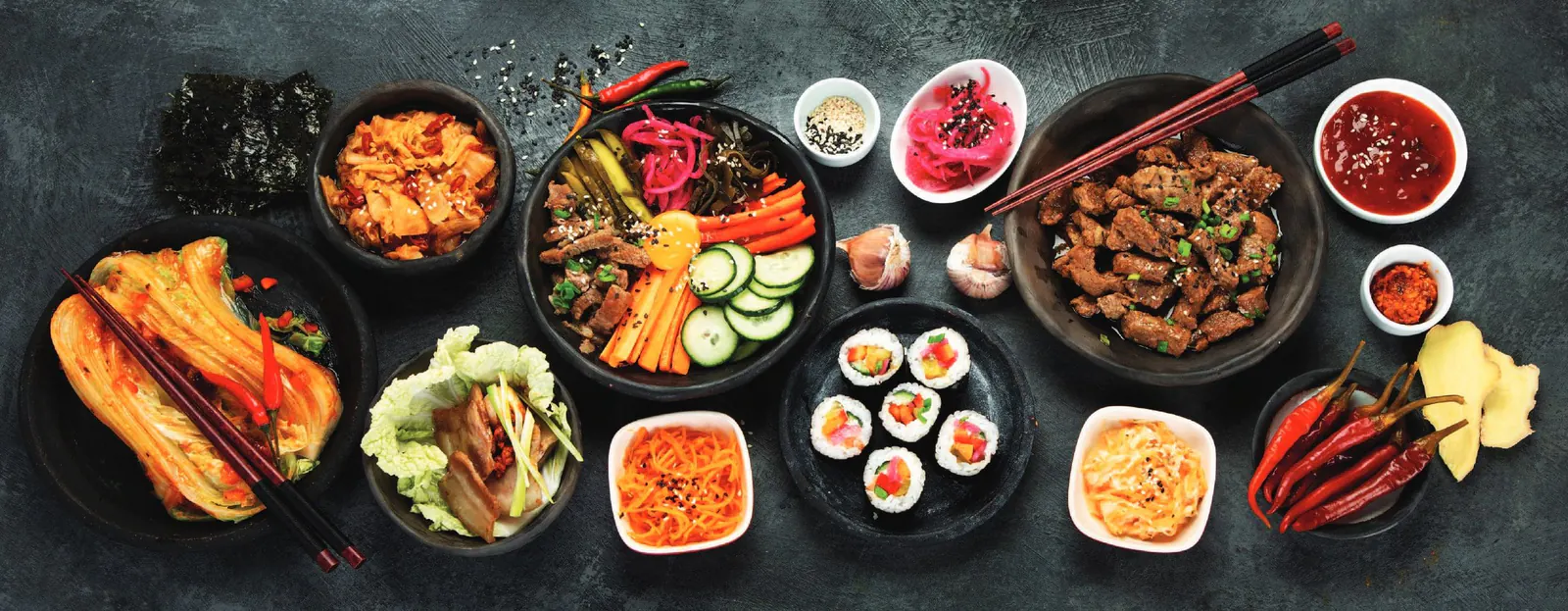
India’s obsession with K-dramas has reached its pinnacle lately. Crash Landing On You and Kim’s Convenience, among other shows, became smashing hits during the Covid-19 pandemic, impressing the country’s netizens with its brand of romance, comedy and drama. A Netflix report revealed that the viewership of Korean dramas by the Indian audience rose by 370 per cent, between 2019-20. From K-pop to K-beauty, Korean culture has attained global popularity like never before, reinforcing the 'Hallyu' or the K-wave that has taken the world by storm. It has sparked greater interest in Korean cuisine, with food assuming a ‘central’ character in most shows and movies. Whether it’s a romantic date made special with bibimbap, a family bonding over kimchi at dinner or a bowl of piping-hot ramen, there’s something about these dishes that has left the curious diner wanting for more. While some Korean restaurants have been running in different pockets of the country for a while now, unsurprisingly, this K-craze has translated into a meteoric rise
in their popularity, particularly in Delhi, Mumbai, Bengaluru, Chennai and Pune. Gung–The Palace, a Korean restaurant that opened in 2007 in Delhi’s Green Park area, can attest to the higher acceptance of this cuisine. Interestingly, its owner Jin Bum Kim’s observation and conviction many years ago helped him become a pioneer in this space. “While I was studying at Delhi University, I found that my batchmates loved gimchi (or kimchi) whenever I brought it in my lunchbox or served at a house party. I realised they enjoyed everything spicy and strong, particularly due to the similarities in Indian cuisine,” he shares. Soon after, Gung opened in Gurugram in 2010 and in Noida in 2011. “An increasing population of Indian youngsters are becoming aware of Korean food. Thanks to K-dramas, they want to experiment with our cuisine. Most of them already know of soju or Korean wine. They are also gaga about Korean barbecue,” adds Kim. The credit for the growing popularity of Korean cuisine partly goes to 'mukbang' videos as well, where the host eats unusually large amounts of food. “I am addicted to ASMR 'mukbang' where the host prepares Korean dishes and eats it in front of the audience. Sounds like chewing, chomping and slurping are rather common, making it a sensory experience for the viewer,” confesses Neha Sinha, a 32-year-old advertising professional from Bengaluru. While the obsession with Korean cuisine may have recently gone mainstream, the food was already popular in Northeast India, with its locals preferring similar kind of meat with a hint of spice, says Ankur Sahni, General Manager at Kofuku, a popular Japanese restaurant with outposts in Goa, Leh, Delhi-NCR, and Mumbai that has recently introduced a Korean menu. “Koreans generally enjoy dinner in a community-style setup with friends and family, hence their meals have large portions. Korean banchan (side dishes) is preferred apart from hot pots. Tteokbokki and bibimbap are also big draws for Indians,” he mentions. The commonalities between Korean and Indian cuisine are far and few. Chef Amal Farooque, Founder, SugarOverDose, Sliders & Fries, and Sage & Olio, in Mumbai, highlights, “Korean cuisine has a lot of red elements—their kimchi and jjigae (Korean stews) are usually reddish-orange. The sweet tangy gochujang and the umami of their soybean paste are palatable by Indians. Their ingredients may not be necessarily similar to the Indian subcontinent but they liberally use gochugaru garlic, onion and sesame in their preparations.” There are also other dishes that reflect the rich culinary tradition of Korea. K-Benedict, Korean corn cheese and vegetable pancakes for instance, hold a prominent place in Korean cuisine. “Observations suggest that the preference for bold and spicy flavours and fermented ingredients are distinctive features of Korean cuisine, contributing to its popularity,” Dhruv Oberoi, Chef at The Grammar Room, Delhi, says. The love for Korean street food is also catching up! The Cafe at Korean Cultural Centre in Delhi and Sibang in Delhi-NCR have frequent visitors for bingsoo, a street-food dessert. Other street foods include crispy Korean fried chicken and corn dog, available at various food joints. The fascination with K-food is here to stay. “I don’t think the obsession is going down anytime soon. Even the older generation is taking interest,” Kim emphasises. As gastronomes throng Korean eateries, culinary enthusiasts have taken to whipping up exotic Korean meals at home and not just ramen! For authentic ingredients, they can always fall back on the exclusive Korean grocery stores that have cropped up in different cities. From Seela Mart in Gurugram to Seoul Store in Bengaluru and Uncle's Shop in Mumbai, the shops have abundant varieties of noodles, rice cake, frozen foods, and more.
According to a chef, the various forms and types of Korean banchan is similar to our achaar and murabba culture
SWEET TOOTH!
While Korean cuisine is popular for its spicy flavours, it also has a variety of desserts for food connoisseurs to explore. Try out tteok or Korean rice cakes, hotteok (sweet pancakes), the dalgona candy, which become famous from the web series Squid Game and hwachae or traditional Korean punches.
Korean fried chicken and corn dog are some of the street-food favourites among young Indians
What's More
BOWL FOR SOUL
Bibimbap, a Korean rice dish, derives from bibim meaning ‘mixing’ and bap that translates to cooked rice. The most searched dish on Google in 2023 is served as a bowl of warm white rice topped with namul (variety of edible grass or leaves) and gochujang (chilli paste). Many prefer to add egg and sliced meat too!