Bon Appétit
At Home: Easy Protein Fixes
The east’s foraged greens, the southeastern belt’s simplicity, and the north’s robust flavours unite to tell one story: that nourishment has always been at the heart of Indian cooking.
In today’s fast-paced lifestyle, rustling up protein-rich meals at home is often perceived as time-consuming and complex. But some of the most nourishing, protein-packed, and easy-to-cook dishes come from our own regional kitchens, dishes built on intuition, seasonality, and simplicity. Across eastern India, in the southeastern belt, and in the north, food has always been about balance. Here, protein is not an add-on but an integral part of everyday meals.
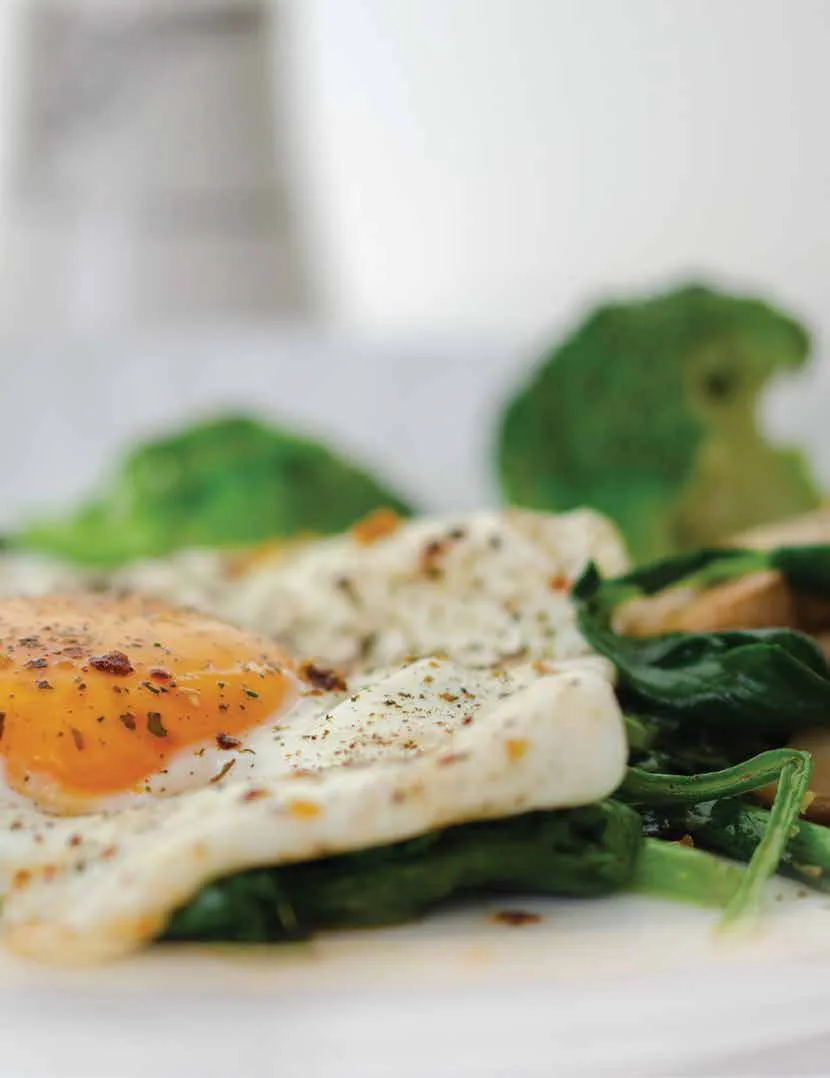
Take eggs, for instance: humble, versatile, and quick to prepare. In north India, a robust masala omelette with onions, green chilies, and coriander is a staple. Move eastward, and you’ll find eggs gently curried in mustard-based gravies or simply scrambled with local greens. A soft scramble finished with herbs and a sprinkle of crushed American pistachios brings a modern texture to a timeless recipe. Wrap it in a millet or ragi roti, and you have a wholesome, protein-rich meal in minutes.
But the true nutritional depth of protein lies in lentils and indigenous ingredients. In Jharkhand and the east, kulthi dal (horse gram) stands out, not just for its protein content but for its deeply earthy character. A quick kulthi-dal soup, tempered with garlic and mustard oil, reflects both nourishment and heritage. Similarly, chana and sattu have long been the backbone of protein-rich cuisine in Bihar and eastern Uttar Pradesh. A simple sattu drink—mixed with water, lemon, salt, and green chilies—is arguably one of the fastest natural protein boosters. In the north, it transforms into a hearty meal when stuffed into parathas, one that is both comforting and sustaining.
The southeastern belt, including parts of Odisha and Bengal, introduces us to unique greens like beng saag and futkal saag, often foraged, always nutrient-rich. These greens, when paired with lentils or folded into a moong-dal chilla batter, create dishes that are rustic yet incredibly contemporary in their appeal. Speaking of chilla, this preparation bridges regions beautifully. In the north, it’s a breakfast staple; in eastern kitchens, it adapts effortlessly to local ingredients. A moong-dal chilla can become a desi taco, filled with spiced paneer, sautéed greens, and yogurt. Or it can take a playful turn as an uttapam-style base, layered with chutneys, vegetables, and paneer or shredded chicken, merging southeastern influences with northern comfort.
Paneer, synonymous with cuisine in the north, continues to be a reliable protein source. A quick paneer bhurji or stir-fry is timeless, but when paired with mustard oil, garlic, and eastern greens, it takes on a completely new identity—rooted yet innovative. Crumbled paneer added to millet khichdi enhances both nutrition and texture, making it a complete meal.
Protein-rich meals at home are not about reinventing food; they are about rediscovering what has always existed.
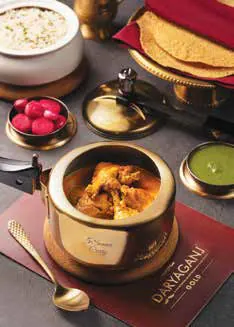
For non-vegetarians, chicken and fish remain indispensable. In the north, quick chicken sautés with ginger, garlic, and spices are common, while in eastern regions, lighter preparations allow the meat to shine. A Jharkhand-style country chicken, cooked with minimal spices, is a perfect example of protein meeting purity. And fish, especially in eastern and southeastern India, is both everyday food and a nutritional powerhouse. A simple pan-seared fish finished with mustard oil and lemon, paired with sautéed greens or millet salads, is quick, elegant, and deeply satisfying. Flaked fish can also be used creatively—layered over uttapam-style bases or tucked into wraps with fresh herbs and chutneys. Grains like millets, widely used across these regions, further enhance protein intake. A millet khichdi enriched with lentils is one of the most complete meals—versatile, easy to digest, and comforting. Finished with ghee, seasonal vegetables, or roasted nuts, it transforms into a dish that’s as traditional as it is modern.
Besides, eastern India also boasts lesser-known but robust ingredients like khesari dal. When cooked simply and paired with rice or millets, it forms a nourishing base that can be elevated by roasted vegetables and nut-based dressings. It’s such adaptability that has enabled regional staples to stay relevant. Then there is the seamless interplay between regions and ideas, which makes home cooking so exciting—a paneer dish from the north can carry eastern flavours, and a southeastern ingredient can find space in a modern wrap.
Even snacking evolves naturally within this framework. A protein chaat combining sprouts, paneer, chickpeas, yogurt, and chutneys, perfectly manifests how Indian cuisine has always aligned with balanced nutrition. Ultimately, protein-rich meals at home are not about reinventing food; they are about rediscovering what has always existed. The future lies in embracing these roots while allowing room for creativity. Because when tradition meets thoughtful innovation, even the simplest meals become powerful, protein-rich expressions of culture, comfort, and care
SPICE2050 APPLY THE CODE
6. Flebo
CASHBACK
FOR FIRST-TIME USERS OF
PATHOLOGY TESTS
CONNECTING YOU WITH TRUSTED LABS ACROSS INDIA
COMPARE
Prices & Ratings Of 2500+ Labs
DECIDE
Based On Your Preference
SAVE MORE
For The Same Test At Your Preferred Lab To Book Visit www.flebo.in or Call 012 44 55 0000 500+ Bookings Everyday 3000+ Pathology & Radiology Tests 250,000+ Satisfied Customers
SEARCH
Any Lab, For Any Test, At Any Location
NOW AVAILABLE
INDIA WIDE
Get Package Recommendations 24X7 Doctor Consultations Access Reports In One Place #AllReportsAlwaysAvailable Monitor Test Results #HealthTrendGraphs Compare Labs & Save Money 4.9 33,000+