Bon Appétit
Beyond Brew & Cup
Coffee in India is getting a makeover that is all about specialities, exotic flavours, and spaces that are an ode to its artisanal journey.
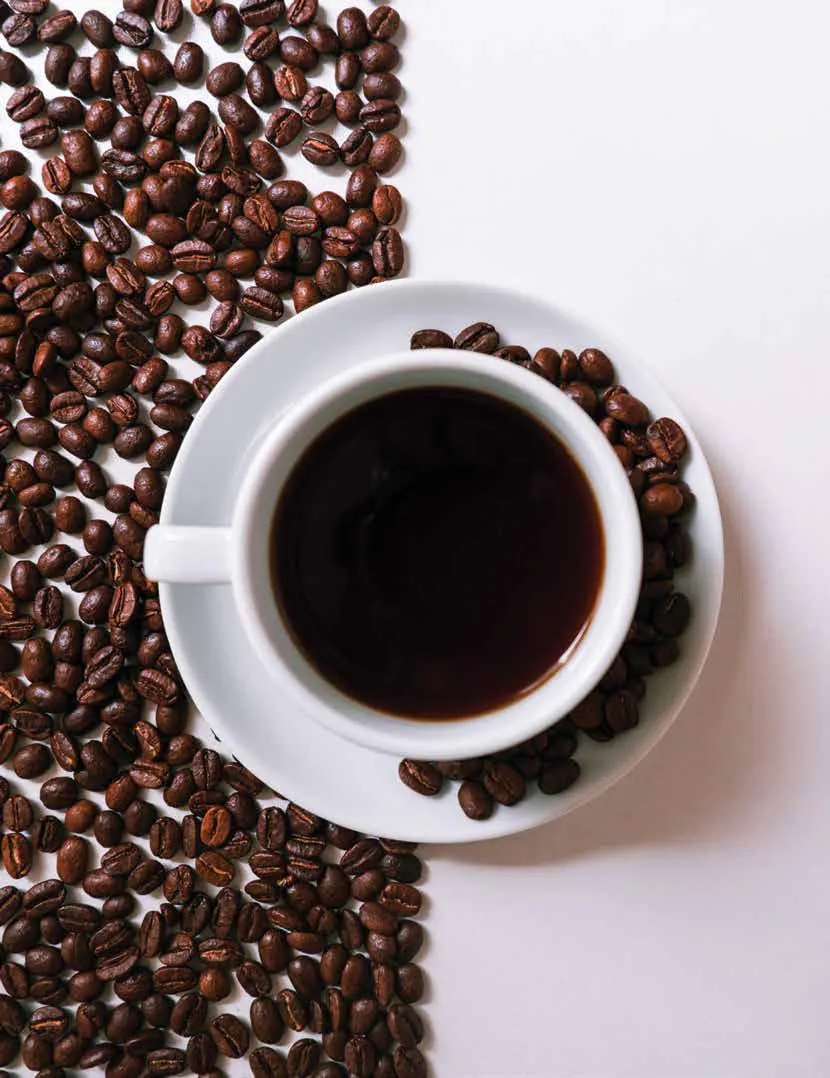
India is one of the world’s most exciting coffee-producing nations, but for the longest time, that story was better known outside the country than within. What has changed in the last half-decade or so is that domestic consumers are beginning to discover and take pride in the coffee being grown on Indian soil.
FROM ESTATE TO ESPRESSO
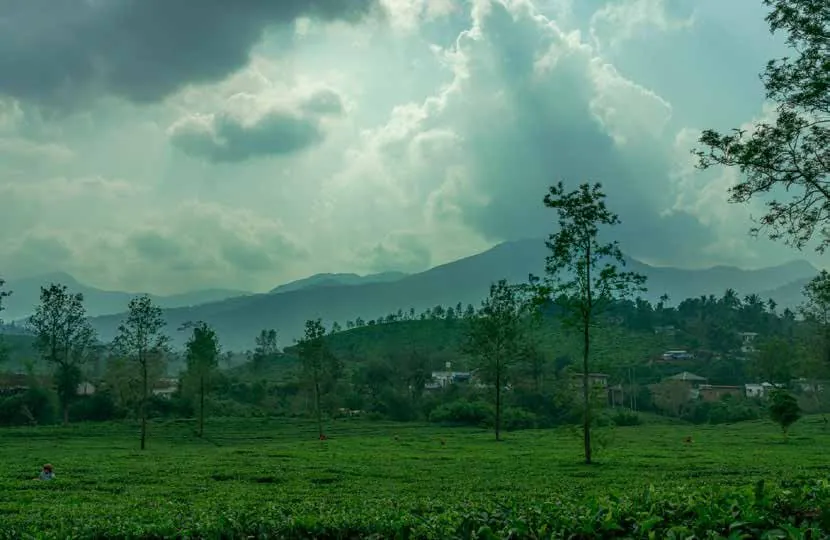
Until a few years ago, many thought of premium coffee as originating primarily outside of India. Now, there is growing curiosity about coffees from Kodagu, Chikmagalur, Baba Budangiri, Wayanad, and the Nilgiris, among other coffee-growing regions. Ryana Kuruvilla, Head of People and Culture, Kelachandra Coffee, Chikmagalur, explains: “Consumers around the world are beginning to understand that Indian coffee is not a mere commodity but, rather, a craft that is influenced by the terroir, shade conditions, soil, rainfall, permaculture practices, and distinctive and innovative processing techniques.
“Much of Indian coffee, especially in the Western Ghats, is cultivated under the natural shade of native trees that have been around for years. These trees and other crops also create ecological value and strengthen the flavour possibilities in every cup.”
Of late, customers are showing increasing interest in knowing where their coffee is grown, who cultivated it, how the cherries were harvested, and what happened between the farm and the final cup. “We have had Indian consumers specifically enquiring for Yelnoorkhan and Kuttinkhan varieties. It is this commitment to storytelling and transparency that has helped us achieve that connection,” Kuruvilla adds.
THE PERFECT POUR
Speciality coffee is having its moment, with espresso bars and manual brews making their way into Indian cafés. But what is emerging alongside is something distinctly Indian. “Filter Kaapi, which has been part of South Indian culture for generations, is being reimagined and celebrated in new ways. At our café in Bengaluru, the first-of-its-kind Filter Kaapi bar is a homage to that tradition,” reveals Yahvi Mariwala, co-founder, Nandan Coffee.
“Our classic Nandan Filter Kaapi is a bestseller, but we have added a contemporary layer to the offering, with creations including Peanut Chikki Filter Kaapi, a Spiced Orange Vanilla Filter Kaapi, and a Honey Cardamom Filter Kaapi. These are not novelty drinks; they are a celebration of a brewing tradition we have deep respect for. These expressions are inspired by the flavours of the region where their coffee is grown.”
“As a result, speciality coffee has moved well beyond a niche audience. In Coorg, this shift is especially meaningful because coffee is woven into the region’s identity.”
Today, the overall experience has become as important as the beverage itself. Says Ashish D’abreo, Q Grader and co-founder of Maverick & Farmer Coffee, Bengaluru, “There is a lot of focus on the design of the presentation itself, and how each thing can be visually so distinct and strong. So, there’s a higher recall, of course, but the first consumption of a beverage is with one’s eyes.”
While technically, speciality coffee is coffee that has been scored 80-plus by a Q Grader, most quality coffees in India are called ‘speciality coffees’ irrespective of whether they’ve been scored or not. “Coffee is where some art or mind or science has been applied to it, to make it taste much better than ordinary coffee, much better than commodity coffee,” adds D’abreo.
COFFEE, EXPERIENCED
Luxury today, then, is increasingly defined by authenticity, and speciality coffee reflects that evolution. In the last five years, consumers have become far more informed, seeking details on origin, traceability, craftsmanship, and the distinct character that geography and climate impart to every bean. “As a result, speciality coffee has moved well beyond a niche audience. In Coorg, this shift is especially meaningful because coffee is woven into the region’s identity,” informs Rajesh Namby, General Manager, The Leela Coorg Forest Sanctuary. “Our role is to help guests experience not just an exceptional cup but also a genuine connection with the land, its people, and a tradition that continues to thrive.”
Accessibility will certainly increase, making speciality coffee easier to embrace without making it feel exclusive. Home brewing will continue to grow as more consumers seek a deeper understanding of coffee beyond what they order at a café. “Producers will keep experimenting with processing techniques, creating exciting new flavour profiles while showcasing the incredible diversity of Indian coffee. Perhaps the biggest shift, however, will be in how cafés position themselves,” believes Abhinav Mathur, MD, Something’s Brewing & Kaapi Machines.
Increasingly, they’re becoming spaces for learning, community, and hospitality rather than simply places to grab a beverage. Coffee is becoming the starting point for conversations, creativity and experiences, and that’s where the future of speciality coffee truly lies