Wellness
Kitchen Foods That Heal
Healing, practically, means three things: lowering the background inflammation you are carrying, feeding the gut lining that does most of your immune work, and restoring the minerals stress and sweat drain out of you. Regular food items and spices in your kitchen do that quietly, cheaply, and without a subscription.
After two decades of building nutrition plans for athletes, celebrities, and founders, I can tell you the fix is rarely exotic. It is usually two rows behind the dals, in a steel dabba. Every few months, a new superfood lands on our shelves with a price tag that could fund a weekend in Goa. I have nothing against them. But when I open a client’s cabinet, the genuinely repairing foods are already there.
TURMERIC
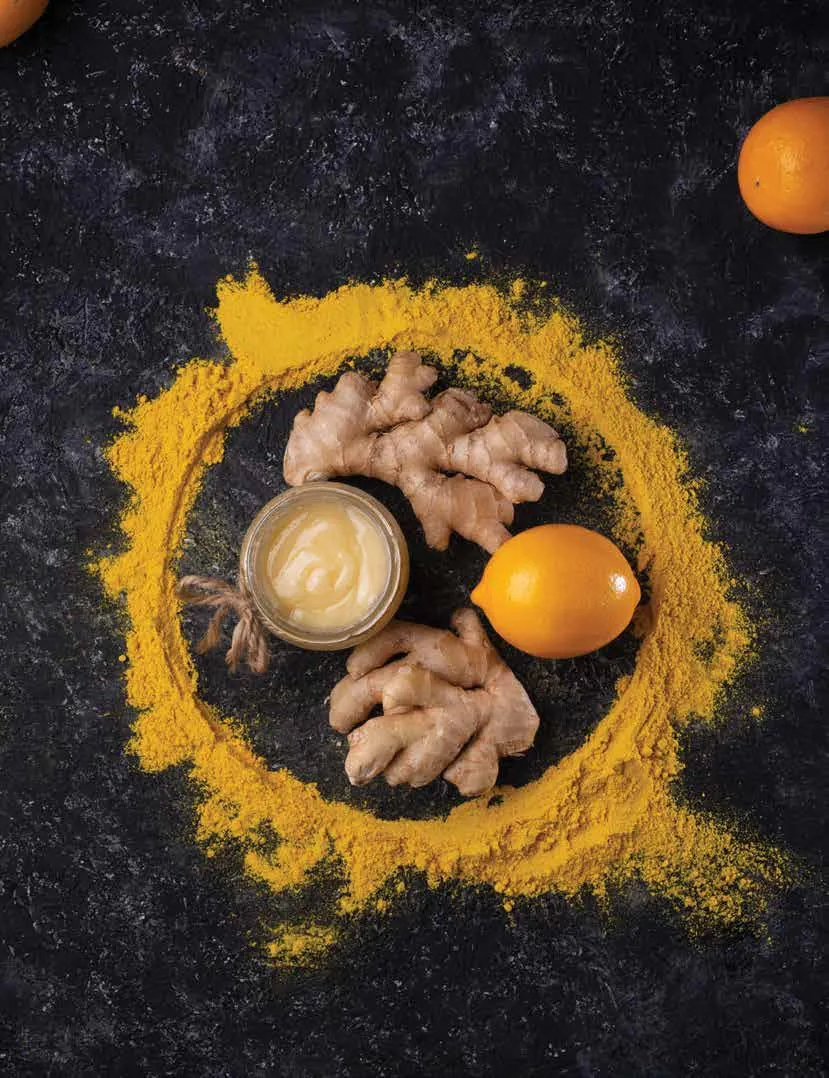
Haldi is the most studied spice in your kitchen, and curcumin is the reason. The catch is that curcumin alone is poorly absorbed. It needs a pinch of black pepper and a little fat to reach your bloodstream. Which is exactly how it has always been cooked here, not stirred cold into water at night. If you sip it as a nightcap, use full-fat milk and crack pepper into it. A quarter teaspoon is plenty.
AMLA
Amla carries a serious load of vitamin C, and unlike most sources, it survives heat and drying. It helps you absorb iron from your dal and greens, which is where most vegetarians lose the battle against low haemoglobin. It also supports collagen: skin, gums, tendons. Fresh in season, otherwise pickled or dried, and powdered into warm water. Take it with the meal, lunch, or dinner, never on an empty stomach. Go easy on the powder though – half a teaspoon at most, or you will get diarrhoea. I keep a jar of amla pickle on the table and eat one piece with lunch.
Regular food items and spices in your kitchen heal the best - quietly and cheaply
CINNAMON
Dalchini works on what most of my clients are actually fighting: blood sugar that spikes and crashes all day. The compound doing the work is cinnamaldehyde: better insulin sensitivity, slower emptying of the stomach. That means a flatter sugar curve, and fewer 4 pm cravings. Half a teaspoon a day, in your coffee, your oats, or your curd. Mine goes into the morning black tea, before the first sip.
CURD
Your gut houses much of your immune activity, and it is the first thing to go during travel, antibiotics, or a stressful quarter. Home-set dahi delivers live cultures for a fraction of a probiotic capsule. Before you build a routine around dairy, get tested for lactose intolerance. A lot of adults here carry it without ever naming it.
Amla helps you absorb iron from your dal and greens, which is where most vegetarians lose the battle against low haemoglobin. It also supports collagen: skin, gums, tendons.
DRUMSTICK LEAVES
The leaves carry meaningful iron, calcium, and vitamin C in one package – unusual, because the vitamin C helps you absorb the iron sitting beside it. Sauté the leaves with garlic. I keep the dried powder in my kitchen and spoon it into the evening dal.
GINGER
The most useful thing in your bag on a flight. Ginger has good evidence behind it for curing nausea and for moving a heavy meal along. It calms the gut wall and takes the edge off post-workout soreness. While travelling, when fresh ginger is not practical, I add my Imusath drops to black tea in the air. Same ginger, no mess.
Keep the dried powder in my kitchen and spoon it into the evening dal
RAGI
Finger millet holds more calcium than anything else you can put in a roti, and it releases energy slowly, so it carries you through the afternoon. I put it on the plate for growing children, for women approaching menopause, and for anyone whose knees have started complaining. Ragi malt in the morning, or ragi rotis at dinner, twice a week. Making it stick.
Do not attempt all seven from Monday. Pick two. Run them for three weeks until they stop feeling like a project. Then add the next two. Every one of these will help, but real healing is deeply individual. Be sure of yourself: a food intolerance blood test, a functional medicine panel, a microbiome test, a genetic test. A qualified nutritionist or functional medicine doctor can then read those numbers and build you a blueprint that suits only you. One size does not fit all any more. Choose your nutrition the way you choose your shoes or your glasses – by what actually fits.
Ragi is good for growing children, women approaching menopause, and for anyone whose knees have started complaining.
And on your next flight, carry a small bottle of water with grated ginger and a squeeze of lime, instead of something fizzy at the gate. Landing without that heavy, bloated feeling is a small win, and small wins are the entire game
THE ADD-ON WITH MANY PLUSES.
SpicePlus
Enjoy a meal and beverage, priority services and book your preferred seat from onwards.* *T&C apply.