Face to Face
The Flavour Maverick
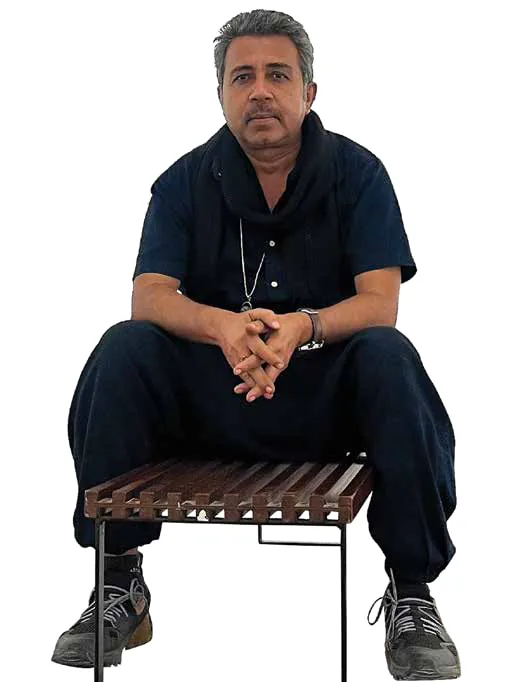
A chef, restaurateur, author, television personality and actor, Ranveer Brar has spent nearly three decades exploring what food reveals about people and places. In this conversation, he reflects on kebabchis who shaped his culinary experiences, the langars, and the many worlds his work has taken him to. Also the curiosity that continues to drive him to take on new journeys.
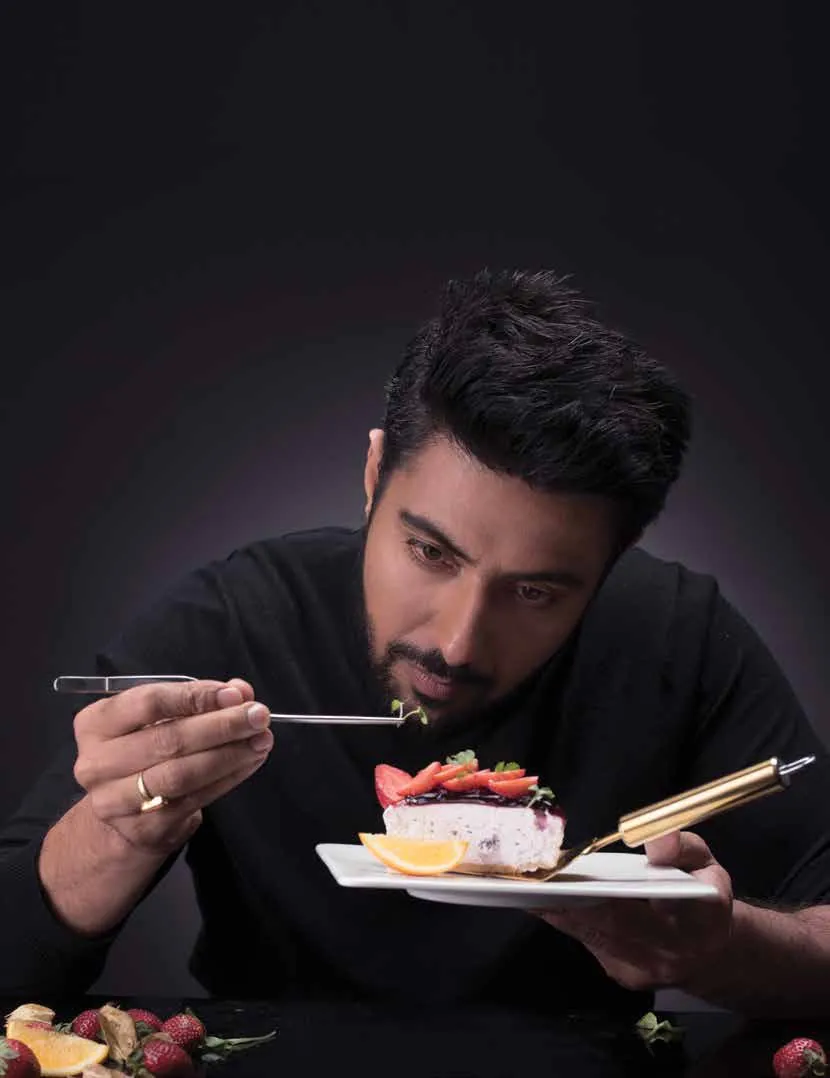
Your love for food began in Lucknow, inspired by its kebab culture. What was it about those early experiences that made you want to become a chef?
Actually, my relationship with cooking started even before the kebabs. It started at the langar. As a child, I was fascinated by the idea that so many people could come together, cook this enormous quantity of food and feed people without asking who they were. Nobody was cooking for applause. There was something very powerful about that.
Then came Lucknow. As I grew older, I started wandering into the lanes of old Lucknow and got fascinated by the kebabchis. In Lucknow, food always comes with “kisse” or stories. Eventually I landed up with Munir Ustad thinking, “ab kabab banana seekhenge”, and probably that is where the chef in me was really born.
From your first kitchen to becoming a restaurateur, author, television personality and actor, how has your journey changed your definition of food?
I think my definition of food has become simpler while my life has become more complicated. When I was younger, I wanted to master food. I was ambitious, aggressive, obsessed with technique. Then life keeps humbling you. Restaurants teach you that you’re cooking for somebody, not for yourself. Travel teaches you that your way isn’t necessarily the right way. Television teaches you to communicate and acting taught me to surrender. Today, I don’t feel the need to master food anymore. I would rather understand my relationship with it.
You have taken Indian food from traditional kitchens to global audiences. What do you believe makes Indian cuisine relevant?
Because Indian food never needed anybody’s permission to evolve. We sometimes become so protective about the word ‘authentic’ that we forget how wonderfully unauthentic the history of food actually is. Chilli came from somewhere else. So did tomato and potato. India looked at all of them and essentially said, “theek hai, ab tum apne ho.”
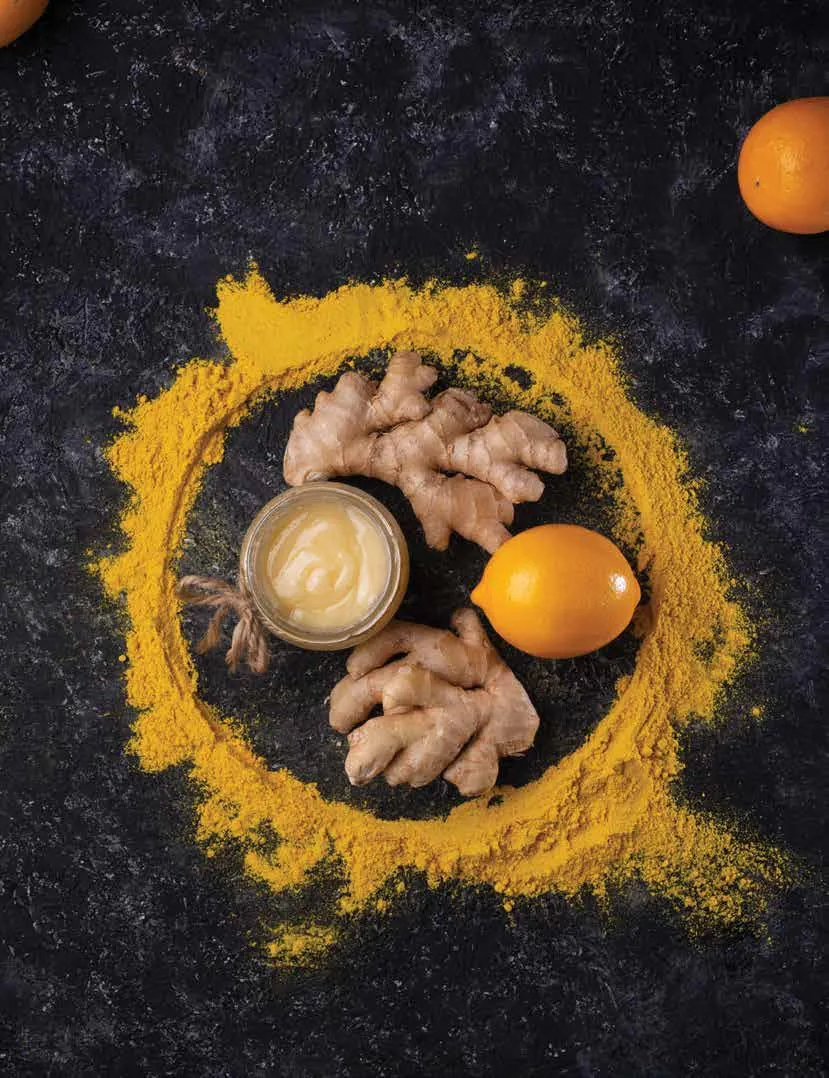
That’s our strength. Indian food absorbs without losing itself. And the deeper I travel into India, the more I realise the intelligence of local cuisine. Preservation, fermentation, seasonality, eating according to climate, using every part of an ingredient. These weren’t trends. They were simply ways of living.
Your restaurants range from fine dining and artisanal concepts, to Kashkan in Dubai. Share your experience.
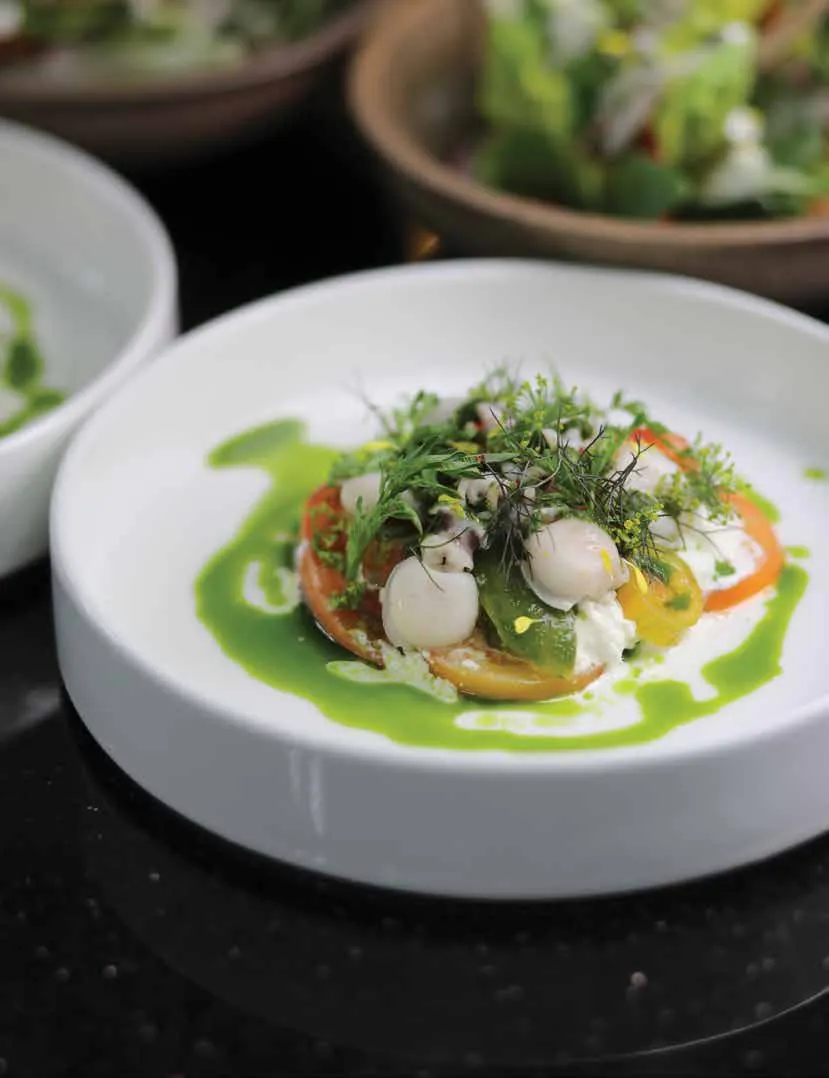
At Kashkan, I wasn’t interested in creating an India that only existed for Instagram. I was more interested in serving what Indians missed while staying away from home. Very often it isn’t a complicated dish. It can be a dal, the smell of a tadka. That’s emotional memory. As a chef, I can play on. I can change the technique, presentation, service, architecture. But the emotion should be intact.
How has travel changed the way you cook and see food?
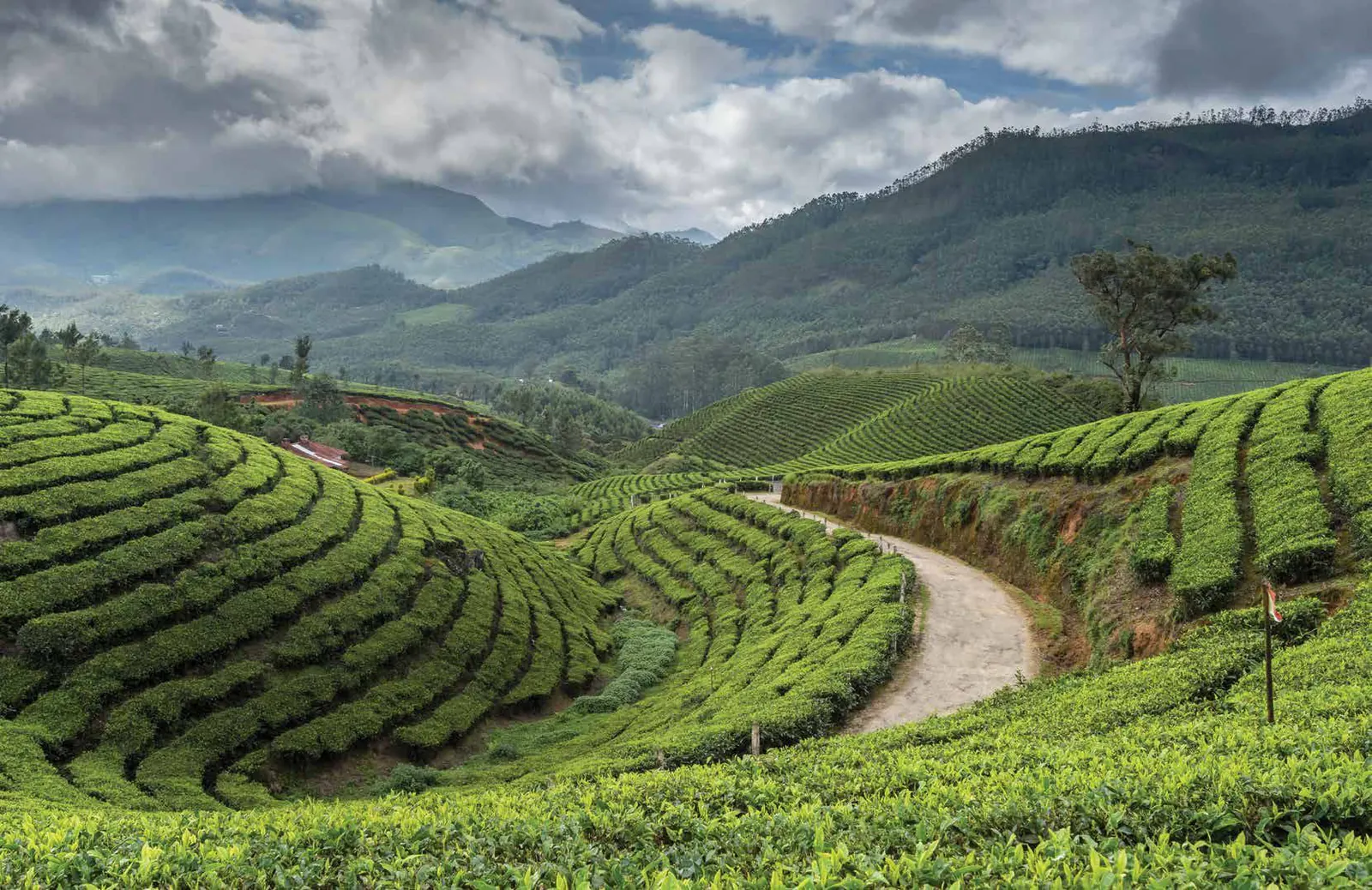
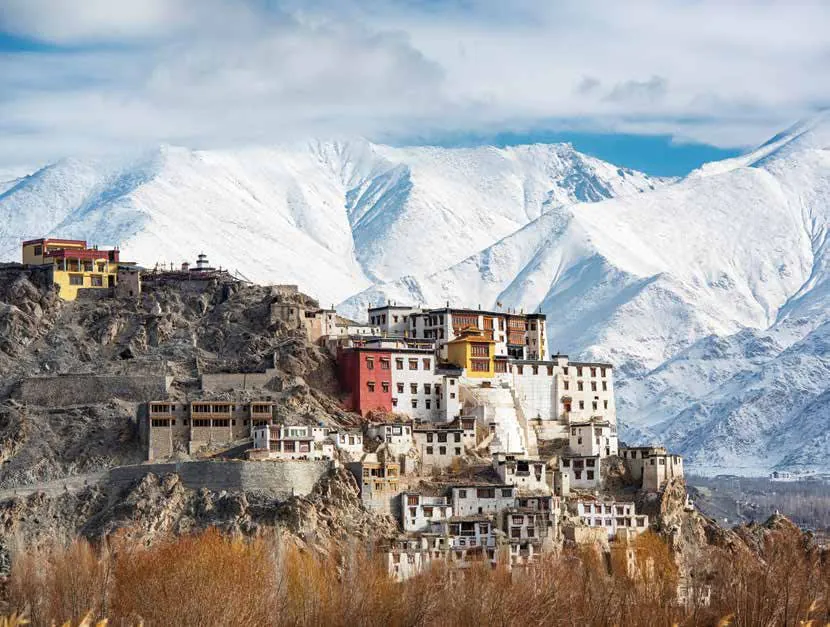
Travel destroyed a lot of my certainties. That is very healthy for the ego. India, as a country, is unique. Go to the mountains and scarcity explains preservation. In Rajasthan, water explains cooking techniques. Follow the coastal region - and suddenly coconut, fermentation and seafood start making sense. In India, the landscape changes and the plate follows. And that is where the real story begins.
You have written books, hosted food shows and even acted in movies. What keeps you curious enough to keep exploring new creative worlds?
I enjoy being a beginner. There’s comfort in being called a chef because I’ve spent most of my life cooking and experimenting. I understand food. If you put food between me and the camera, I’m home.
Acting took that away. Suddenly, I couldn’t hide behind what I knew. I had to listen, react and surrender, and I found that strangely liberating. I think one of the dangers of doing something for thirty years is that people start telling you that you’re an expert. And then, even worse, you start believing it. Every new medium gives me permission to become a student again. And I genuinely enjoy not knowing.
After nearly three decades in the culinary world, what remains your greatest source of inspiration?
India alone can keep you occupied for several lifetimes. You travel 50 kilometres and somebody changes an ingredient, a technique, sometimes the entire logic of a particular dish. And increasingly I’m fascinated by the simple people who possess enormous knowledge of food and cooking. A farmer who knows exactly when something should be harvested. A grandmother who understands fermentation by smell. A halwai who has spent years understanding sugar. A kebabchi who can tell whether the kebab mixture is ready simply by touching it. Munir Ustad didn’t sit me down with a notebook and teach me recipes. I had to watch. That stayed with me. There is knowledge that can be written down, and there is knowledge that has to be absorbed. I think I’ll spend the rest of my life chasing the second kind.
I’d like to help create systems, institutions and platforms where the knowledge powerhouse is documented, celebrated and, most importantly, made exciting for the next generation.
As you look ahead, what would you still like to create, explore or leave behind through your work?
Earlier in life, I thought a lot about what I wanted to become. Now I think more about what I want to leave behind. And increasingly I feel a responsibility towards documenting Indian food knowledge. Because I’ve met too many extraordinary people with immense knowledge.
I’d like to help create systems, institutions and platforms where that knowledge powerhouse is documented, celebrated and, most importantly, made exciting for the next generation. I don’t want young Indians to respect Indian food merely because somebody tells them it’s ancient. I want them to become curious enough to discover why it’s extraordinary. If thirty years from now somebody asks a better question about Indian food because of something I created, documented or inspired, I think that’s a legacy I’d be quite happy with
Rapid Fire
A city you can never stop eating your way through?
Lucknow. Always Lucknow
Your favourite travel destination?
The Himalayas
One ingredient you cannot cook without?
Salt
One chef who inspires you?
That’s unfair. But if you allow me to cheat: the Ustads
A book every food lover should read?
On Food and Cooking by Harold McGee
Street food or fine dining?
Street food
One cuisine you would love to explore more deeply?
Japanese
LOCK IT NOW FOR 48 HOURS* AND BOOK LATER WITH
STARTING AT JUST
AVAILABLE ON DOMESTIC AND INTERNATIONAL FLIGHTS.
FOUND THE RIGHT FARE?
*T&C apply.
*Available on flights where travel date is 7 days & beyond for domestic flights and 15 days & beyond for international flights.
Opt for SpiceLock and enjoy worry-free travel. You can lock your fare at a nominal fee by booking directly only on www.spicejet.com. Hurry, so that you can relax while deciding on travel dates.
LOCK WITHOUT PASSENGER NAME NO FARE SURGE 48 HOURS OF HOLD TIME
FACTS AND FIGURES
Photo by Amar Ware (Pune - Dubai) Mahesh Gupta (Bagdogra - Delhi) Be in the Spotlight!
Share your best travel moments and shine in SpiceRoute magazine and on our social media pages. Tag us and email your photos with flight details to marketing.ho@spicejet.com!
@spicejetairlines FlySpiceJet Shubham Tiwari (Mumbai - Bengaluru) Varsha Tomar (Delhi - Mumbai) Photo by Manjeet Sirohi (Delhi - Dubai)