Potpourri
On the Modak Trail
From Maharashtra’s evergreen ukadiche modak to Tamil Nadu’s kozhukattai, the modak – a festive mainstay during Ganesh Chaturthi – is a marriage of memory and culinary tradition.
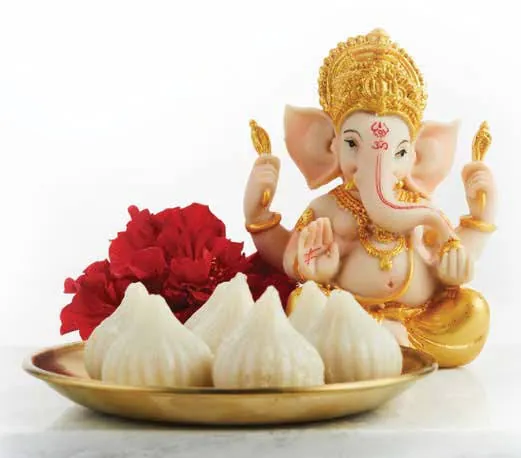
There is, in a Maharashtrian home, a particular rhythm to making modaks. The coconut and jaggery filling simmers on the stove until fragrant. Rice-flour dough is kneaded while still warm, and someone takes charge of shaping the modaks, carefully pinching each pleat into place. It is an old ritual, often shared across generations. When the lid of the steamer is finally lifted, a cloud of sweet-scented steam rises, and the aroma of coconut, jaggery, and cardamom fills the kitchen. For many Maharashtrian families, this is the taste of Ganesh Chaturthi. But journey across India and the modak changes.
The shape may look familiar, but the name, texture, filling, and method of cooking shift from one region to another. Karnataka has kadubu – appearing in several forms across the state, including both sweet and savoury varieties – while Tamil Nadu has kozhukattai.
In Andhra Pradesh and Telangana, kudumulu finds a place in Ganesh festivities. Goa embraces its fried preparations, while Odisha brings its own modaka traditions. In fact, the further you travel, the more interesting the story becomes.
OLD FAVOURITE
Encased in a delicate casing of rice flour, filled with fresh coconut and jaggery, and usually flavoured with cardamom (sometimes nutmeg), the steamed – and timeless – ukadiche modak of Maharashtra is one sweet most closely associated with Ganesh Chaturthi.
The ingredients are simple, but making the perfect modak takes practice. The dough should be soft and pliable without becoming sticky. The filling needs the right balance of sweetness and moisture. Then comes the most recognisable part: shaping the pleats by hand before placing each modak in the steamer. In many Maharashtrian households, it’s a family affair. The filling is made first, then the dough is kneaded; the shaping is often left to those who have mastered the art over years of repetition.
There is also the fried modak, with a crisp outer shell. Still, for all the new twists on the old ways, the handmade ukadiche modak continues to hold a special place during Ganesh Chaturthi. More than just a sweet, it is an essential part of the ceremony of preparing for the festival.
FERVOUR & FLAVOURS
In Goa, Ganesh Chaturthi brings families together around elaborate home-cooked meals, and sweets are an important part of the festivities. Fried modaks are among the celebratory favourites. Coconut and jaggery form the filling – often accompanied by cardamom – while the outer covering is fried until crisp and golden.
The contrast with the steamed Maharashtrian version is striking: one is soft and delicate, the other crisp and indulgent, yet both carry the familiar combination of coconut and jaggery. They are made to be shared, offered as prasad, and passed around among family, friends and neighbours. And like many Goan festive foods, the pleasure lies as much in the gathering as it does in the dish itself.
SWEET & SAVOURY
Down south in Tamil Nadu, kozhukattai is closely associated with Vinayaka Chaturthi. The classic sweet version, known as pooranam, is made from rice flour and stuffed with coconut and jaggery. Soft, mildly sweet, and fragrant, it has much in common with the modak, yet kozhukattai has a personality all its own. And there are several variations, including ammini kozhukattai, where small rice-flour dumplings are seasoned and served as a savoury snack.
VARIETY, THE RICE OF LIFE
Up the east coast and into Andhra Pradesh and Telangana, kudumulu is usually prepared as an offering to Lord Ganesha. Rice flour forms the basis of several preparations, with the sweet variant featuring the ubiquitous coconut and jaggery. The shapes and methods of the modaks can differ, but the connection with the festival remains central. Indeed, there is something recognisable about the combination: rice is fundamental to the region’s cuisine, while coconut and jaggery are deeply rooted in its sweet-making traditions.
VARIATION ON THE MODAK THEME
Crossing north into Odisha, we come across another chapter in the modak story. Modaka is associated with Ganesh Puja but the versions found here can look and taste quite different from the typical Maharashtrian modak. Local ingredients and cooking practices influence the preparation, giving it a distinctly Odia character. Rice flour, coconut, and jaggery, alongside other regional ingredients, appear in different combinations, depending on the recipe.
ENDURING AND EVOLVING
The modak has now travelled far beyond the home kitchens of old, and today, tradition shares space with invention. Every Ganesh Chaturthi, sweet shops and pastry kitchens introduce new variants. Some are inspired by conventional Indian sweets, others borrow from global pastry trends. The familiar pleated shape remains, but unique fillings – from chocolate ganache, mango, dates, and rose, to mawa, kesar, and rich pistachio – have found their way into the modern-day modak. For those who grew up with delicious ukadiche modaks made at home, these versions can seem like a radical departure. But recipes change with generations, ingredients become more accessible, and tastes shift. And besides, Indian food has always evolved.
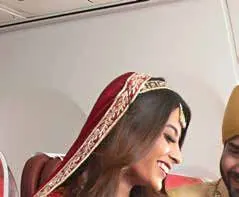
LET THE BEGINNING BE SPECIAL.
BOOK A PRIVATE CHARTER FOR YOUR DESTINATION WEDDING AND KEEP THOSE JOYFUL MOMENTS EXCLUSIVE, ENSURING PRIVACY AND COMFORT.
Q400 BEST SUITED FOR SMALL GROUP TRAVEL
BOEING 737 BEST SUITED FOR GROUP TRAVEL OF UP TO 200 PASSENGERS
CHARTER FOR EVERYONE
For bookings: