GetawayDooars
Gateway to Virgin Vistas & Cultures
There are places built around landmarks. And then there are places that unfold slowly—through forests, rivers, and the quiet lives of the people who inhabit them. The Dooars belong firmly in the latter category.
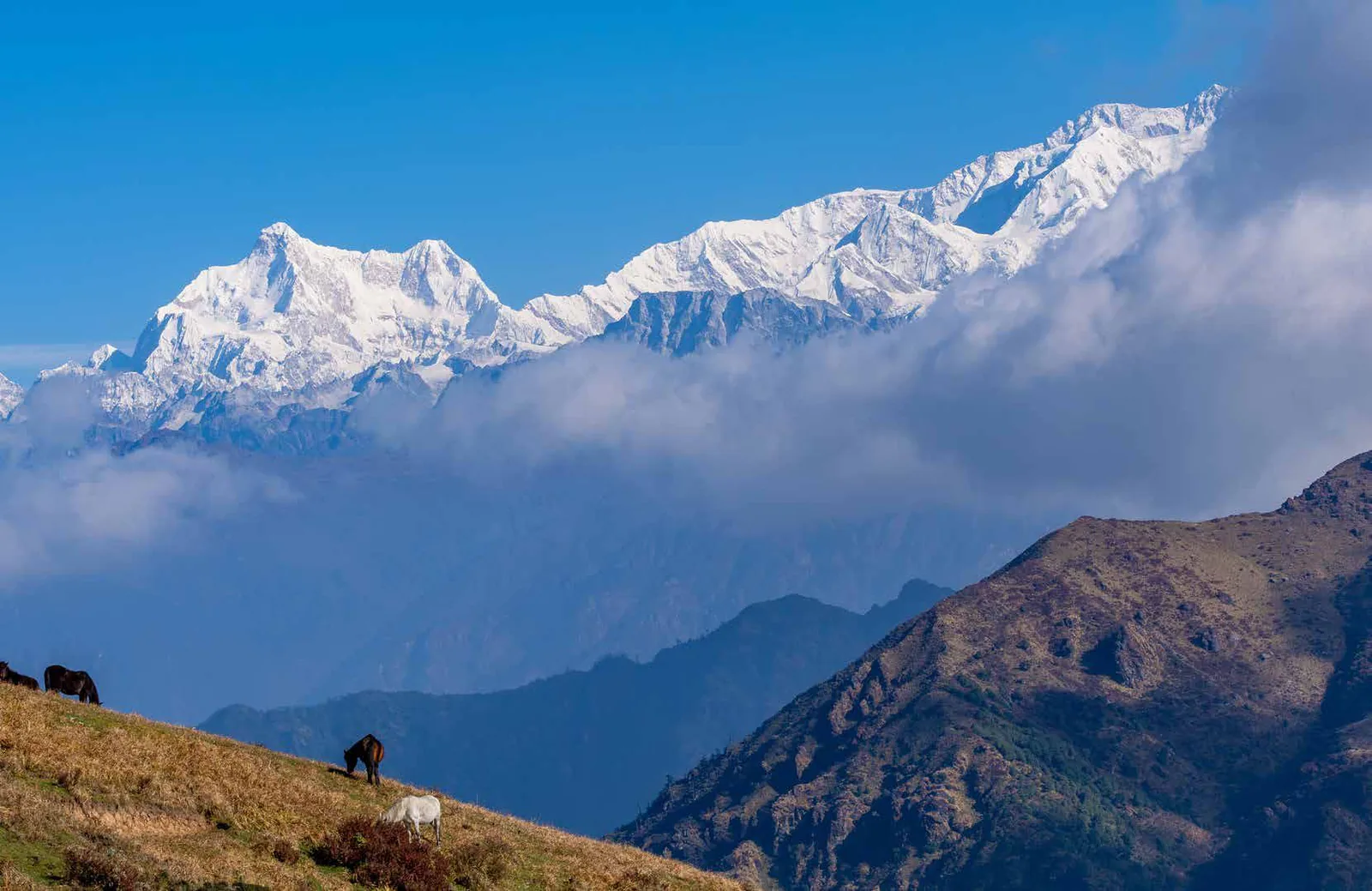
Spanning the foothills of Darjeeling, Sikkim and Bhutan, this lush belt of North Bengal feels less like a single destination and more like a threshold. The name itself comes from the word ‘doors’, historic forest routes that once connected the plains of Cooch Behar with the Himalayan kingdoms. These were pathways through dense jungle used by traders, envoys, and royalty travelling between Bhutan and the plains. Over time, ‘Doors’ evolved into ‘Dooars’, and the name endured—fitting for a region that has always been a kaleidoscope of landscapes and cultures.
Even today, the Dooars sits at a remarkable crossroads: Bhutan lies to the north, Sikkim and eastern Nepal to the west, Assam to the east, and the plains sweep southward toward Bangladesh. Few places in India’s east hold such geographic convergence.
FORESTS THAT STILL FEEL WILD
The Dooars is defined by its forests; vast breathing ecosystems that stretch across nearly 3,000 square kilometres. Within this landscape lie Gorumara National Park, Jaldapara National Park, Chapramari Wildlife Sanctuary, and the expansive Buxa Tiger Reserve. Safaris here feel less like dramatic wildlife adventures and more like drive-through explorations of a living wilderness, where tall elephant grass sways along jungle tracks and the golden light shines through tall Sal trees. Elephant sightings are common, often near riverbanks or forest edges. Jaldapara and Gorumara are home to the iconic one-horned rhinoceros, while leopards and Himalayan black bears move quietly through the jungle corridors that connect Bhutan and Sikkim. And for birdwatchers, the Dooars is a paradise, with hundreds of resident and migratory avian species.
Yet, what lingers most is not a specific sighting but a stillness, the sense that the forest is in charge.
THE DEFINING TEA GARDENS
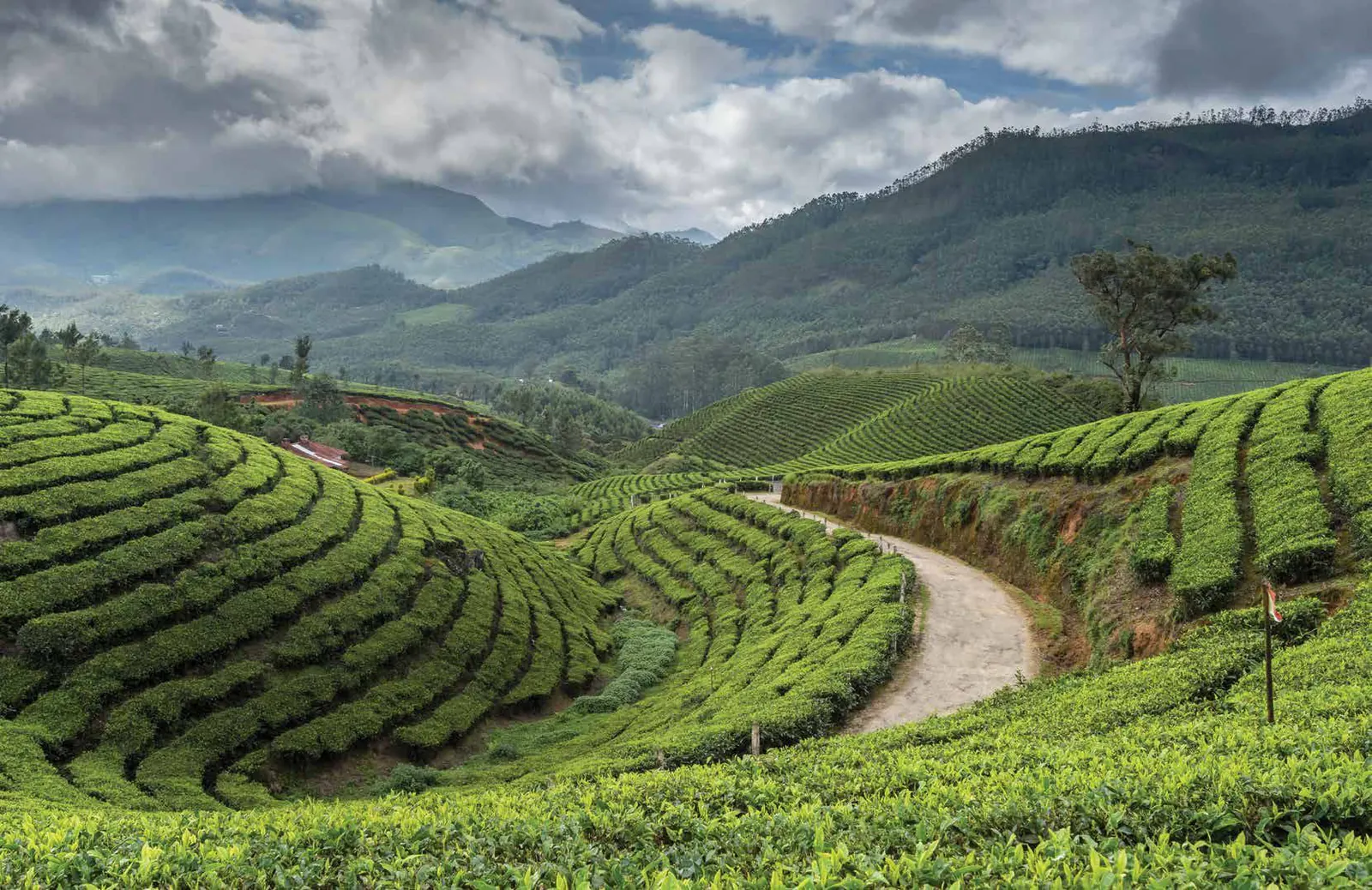
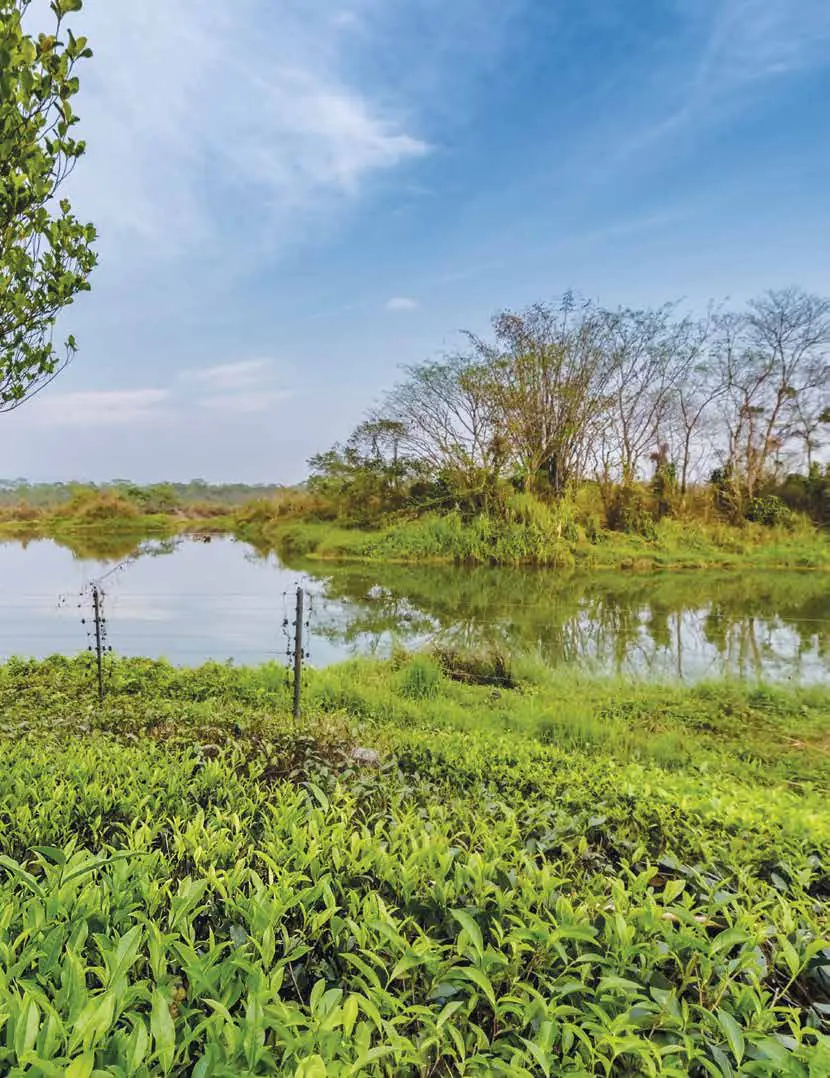
Tea is inseparable from the Dooars, which produces over 25 per cent of India’s crop and hosts more than 100 estates, many with their own processing factories. Unlike the steep, postcard slopes of Darjeeling, tea here grows over wide, flat expanses, merging seamlessly into the forests beyond. Past the large estates, small and marginal farmers also cultivate tea, sometimes even in kitchen gardens, making it part of daily lives.
As you walk through a tea garden in the soft glow of the evening sun, the rhythms of the region reveal themselves: pluckers moving steadily between rows, the aroma of fresh leaves wafting from factories, and communities shaped by cultivation thrive alongside. Here, a simple cup of locally-brewed tea, enjoyed without hurry, feels truly at home.
RIVERS BORN OF THE HIMALAYAS
Because the Dooars lie on a gentle Himalayan slope, they are fed year-round by glacier-origin rivers. Within a 100 kms, more than 15 rivers carve their way through this expanse, among them are the more popular Murti, Jaldhaka, and Teesta. In summer, they run clear and cool. During the monsoon, they transform, swelling with mountain rain, rushing with astonishing force, sometimes creating seasonal waterfalls along the way. Anglers know the upper stretches of the Murti and Jaldhaka for the prized Mahseer, making monsoon fishing a memorable experience in Dooars.
Often, however, it is blissful just to pause by a riverbank, feet dipped in cold water, watching the current move steadily toward the plains.
A MOSAIC OF COMMUNITIES
The Dooars is among eastern India’s most culturally layered areas. Large tribal communities such as the Oraon, Santhal, Munda, and Kharia coexist alongside the Rajbanshi, Mech and Gorkha populations, and also the endangered Toto tribe. In a span of 150–200 kms, one encounters nearly 50 ethnic villages and gets to hear a remarkable diversity of languages.
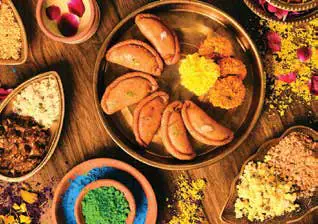
Local festivals reflect this richness. Karma Utsab in mid-September celebrates agrarian traditions with music and dance. Mahashivratri at the Mahakal Temple, located inside a forested stretch near Gorumara, draws devotees who walk through the wilderness to offer prayers. These traditions are not staged performances; they are lived and experienced with much vigour.
DOORWAY BEYOND BORDERS
Just a short drive away lies Phuentsholing, making the Dooars a natural gateway to Bhutan. Travellers often begin here, grounding themselves in arboreal calm before crossing into the hills beyond. In an era of overexposed destinations, the Dooars continue to stand out—a forested crossroads that rewards those willing to slow down. It does not demand attention. It simply waits, quietly confident in what it has always been: a portal to landscapes, cultures, and the Eastern Himalayas
WHERE TO STAY
- The Riverwood Forest Retreat This 12-room luxurious property is surrounded by trees, medicinal plants, organic vegetable farms, and overlooks the Murti River and the forest fringes of Gorumara.
- Baradighi The Bungalow A heritage colonial bungalow built in 1891 is set in the midst of an expansive tea garden bordering Gorumara forest. It offers the ultimate tea tourism experience. A handful of genuine family-run homestays offer great stay options.
Akanksha Garg is an avid traveller and a hotelier. She is also the Tourism Committee Member-CII, Chapter President India-Swiss Education Group besides holding many other industry positions.