GetawaySittong
Of Cinchona & Citrus Blooms
From the life-saving cinchona plantations of the British era to the vibrant orange orchards of today, Sittong’s charm lies in the remarkable flora that has shaped its past and present.
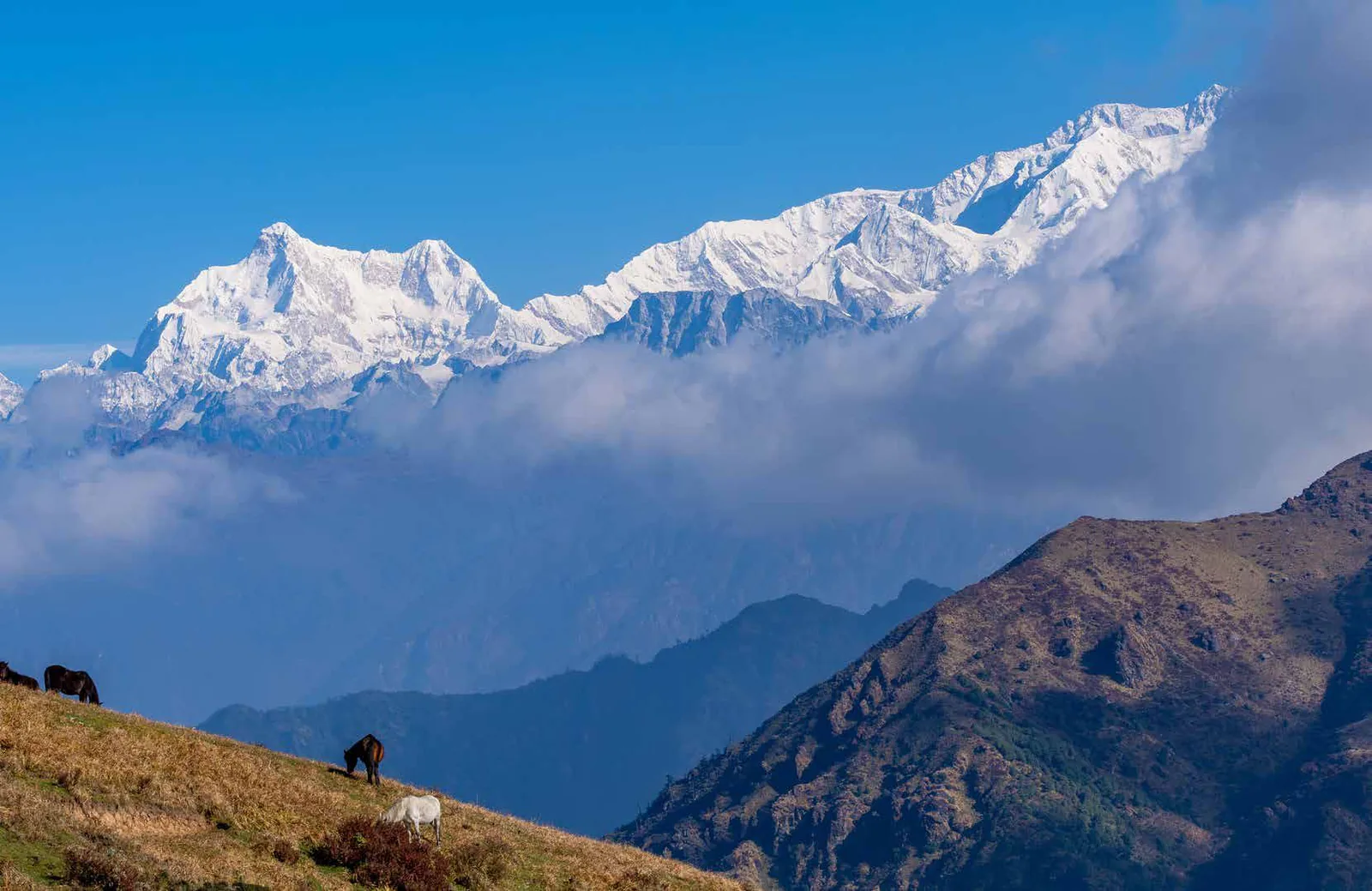
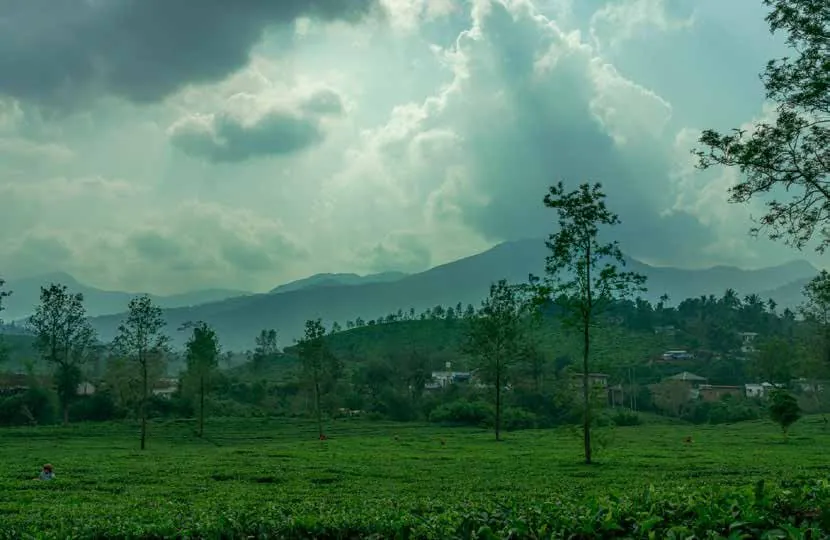
Amidst the misty folds of the Eastern Himalayas, and the snow-capped Kanchenjunga as its eternal backdrop, Sittong remains one of North Bengal’s best-kept secrets. In this quiet hamlet, accessed via serpentine, undulating roads that cut through dense pine forests, the mountain breeze holds the scent of evergreen tea gardens, wet earth, and seasonal blooms.
While the familiar slopes of neighbouring Darjeeling have increasingly surrendered to the rapid pace of commercial tourism, Sittong fiercely guards its unassuming, secluded spirit. There are no crowded mall roads or traffic-choked intersections. Instead, life unfolds in step with the gentle rhythm of a village where days are measured not by itineraries but by birdsong, cups of locally grown tea in cosy homestays, and mornings when the first rays of sunlight gently illuminate the snowy peaks beyond the orchards.
THE PLANTATION THAT HEALED
Sittong is defined by what grows from its soil, but its botanical heritage extends far beyond its present idyll. A short ride across the scenic Jogighat Bridge – spanning the gushing Riyang River – leads to the historic enclave of Mungpoo. It is here that the area’s fascinating British-Indian industrial past comes alive through the vast cinchona plantations. Introduced in the 19th century, cinchona was cultivated for quinine, then the world’s most effective treatment against malaria. These plantations are a living testament to an era when this corner of the Eastern Himalayas was a medical lifeline, helping save countless lives.
Mungpoo also offers a fascinating literary detour – to Rabindra Bhawan, a quaint wooden house that served as the summer retreat for Nobel laureate Rabindranath Tagore. Preserved meticulously as a museum, the space still holds his personal manuscripts, paintings, rare photographs, original mahogany bed, and writing chair, allowing visitors to tread the same quiet wooden floors that once inspired one of India’s greatest minds.
ORANGE HILLS & TERRACED SLOPES
If there is a colour that defines – and transforms – Sittong, it is a brilliant, sun-drenched orange. Every winter, between November and January, its famous orange orchards burst with fruit. Unlike commercial farms, these are owned and managed privately by local families and are intimately woven into the very fabric of the hamlet. The orchards cascade down terraced slopes, filling the crisp winter air with a sharp citrus fragrance and earning Sittong the affectionate title of Orange Valley. Nature enthusiasts often continue towards Latpanchar, renowned for its remarkable birdlife, where colourful Himalayan species dart between moss-covered branches. Or, they wander along Sittong’s narrow mountain lanes, soaking in its unhurried pace of life and Lepcha culture.
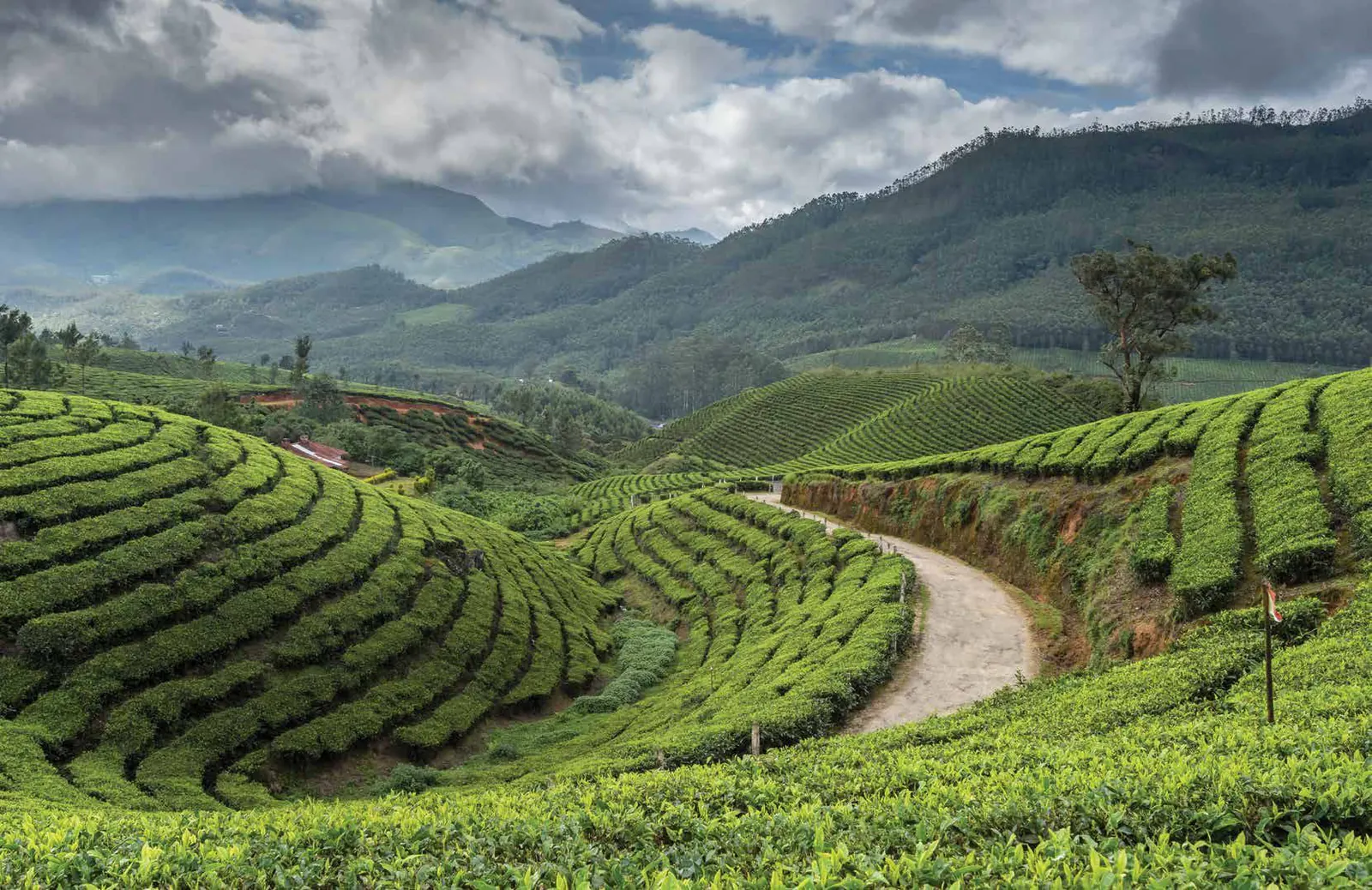
The drive through Sittong is punctuated by one rewarding stop after another. On a clear day, Ahaldara Viewpoint offers sweeping panoramic vistas of Kanchenjunga – visit at sunrise, when the first light turns the snow-capped peaks a luminous shade of gold. Below, the river Teesta meanders into the distance while rolling tea gardens ripple across the landscape like green waves.
MYTHS AMONG THE PINES
But to understand the soul of the region, one must venture into its hushed, old-growth forests. Here, shrouded by thickets of tall pine trees, lies Namthing Pokhri, a seasonal alpine lake that’s perennially wrapped in low-hanging clouds and mist, lending it a distinctly mystical air, heightened by the presence of an old, solitary Shiva temple nestled among the pines. More remarkably, this pristine water body is one of the last remaining natural habitats of the rare Himalayan Salamander, a prehistoric amphibian that adds a layer of ecological wonder to the misty woods.
Nearby, spiritual history is preserved at the Tar Longho Lepcha Buddhist Monastery. Said to be nearly 350 years old, and constructed using only mud, stone, and wood, the monastery features age-old hand-painted portraits on its inner walls. According to local lore, this modest, resilient structure once served as the palace of a Lepcha queen. Today it stands as a quiet guardian of indigenous heritage.
THE WARMTH OF THE HEARTH
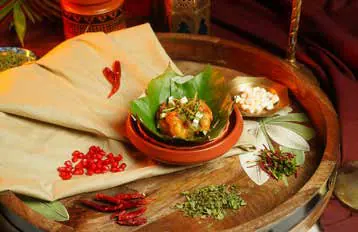
The true charm of Sittong, however, is found at the end of the day, within the walls of its snug homestays. Here, the hospitality of the Lepcha and Nepalese communities turns a simple trip into a homecoming. Evenings are spent around the fireside, sipping freshly brewed local tea and sharing plates of home-cooked food – steaming bowls of thukpa, hearty momos, and crispy fritters that warm the body against the mountain chill. Sittong, you’ll find, does not demand attention; it simply waits, offering a quiet, fragrant sanctuary to those who know how to seek it
Be in the Spotlight!
Share your best travel moments and shine in SpiceRoute magazine and on our social media pages. Tag us and email your photos with flight details to marketing.ho@spicejet.com!
@spicejetairlines | FlySpiceJet.
Photo by Nitesh Dattatray Banote (Delhi - Mumbai), Shivam Kumar (Patna - Delhi), Huzaifa Sadriwala (Mumbai - Dubai), Mir Sajid Hussain (Jammu - Delhi), Sonal and Vishal (Dharamshala - Delhi).