Facts and Figures
World Environment Day
Observed annually on 5 June, World Environment Day was established by the United Nations in 1972 during the Stockholm Conference on the Human Environment, and first celebrated in 1973.
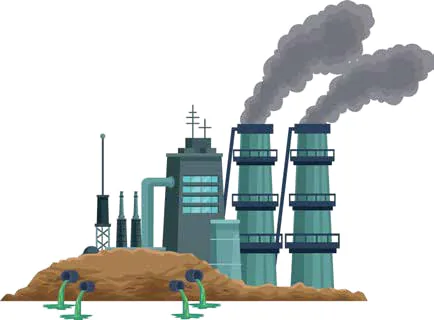
However, despite the awareness, the world is currently facing three interlinked crises, climate change, biodiversity loss, and pollution.
Over fifty years since its inception, it is regarded as the world’s largest environmental outreach platform, with participation from over 150 COUNTRIES and engagement that reaches millions of people globally.
Global temperatures have already risen by approximately 1.1°C above pre-industrial levels, contributing to more frequent and intense heatwaves, floods, and droughts. At the same time, nearly 1 million species are at risk of extinction, while plastic pollution continues to grow at an alarming pace, affecting both terrestrial and marine ecosystems.
Encouragingly, India has made notable progress in clean energy. Over 50% of installed electricity capacity now comes from non-fossil fuel sources, including solar, wind, hydro, and nuclear.
However, environmental pressures remain significant. India generates approximately 3.5 million tonnes of plastic waste annually. Water pollution is another area of concern, with around 311 polluted river stretches identified in 2022, indicating persistent stress on freshwater resources.
Climate vulnerability is becoming increasingly visible. India has witnessed a growing frequency of extreme weather events, including prolonged heatwaves, erratic rainfall, and floods, all of which have direct implications for agriculture, livelihoods, and urban infrastructure.
In response, policy measures have been strengthened. The Ministry of Environment, Forest and Climate Change has introduced frameworks such as Extended Producer Responsibility (EPR) for plastics and e-waste, expanded renewable energy capacity, and scaled up climate adaptation strategies. These efforts aim to balance economic growth with environmental sustainability while addressing both mitigation and resilience.
Taken together, these figures present a dual narrative, one of progress and one of pressure. As the world marks World Environment Day 2026, the data serves as a clear reminder that while meaningful strides are being made, the scale and urgency of environmental challenges demand sustained, collective action