Open House
Celebrating Verses
Marking World Poetry Day on March 21, let's know about this form of literary expression a little more!
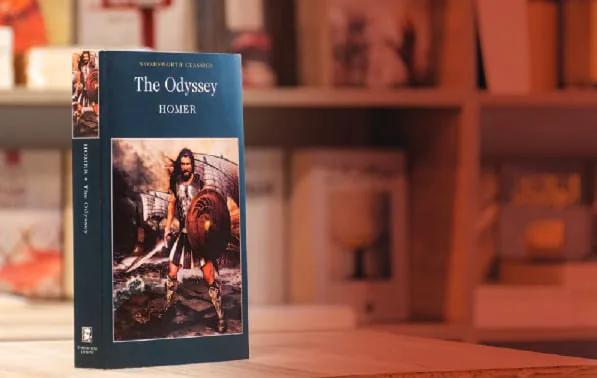
An 'epic' is among the earliest forms of poetry. A long narrative poem, an epic typically revolves around the heroic deeds of gods and legendary figures. The most famous historical epics are attributed to Greek poet Homer who is said to have composed the Iliad and the Odyssey.
Related to spoken word is the free-form 'slam' poetry. Been around in its current form since the 1980s, it is typically performed at a poetry slam, a competitive event. Poets like Gaurav Tripathi are well-known in this genre.
Have you heard of ekphrasis? This form of poem typically uses a visual image or work of art as inspiration. Ekphrasis is not about form, structure or rigidity but the connection between art and poetry. A contemporary example of an ekphrastic poem is 'Self-Portrait with Sylvia Plath's Braid' by Diane Seuss.
'Haiku' is an ancient form of Japanese short poem made of three lines. They speak of natural aesthetics and human emotions and traditionally follow the rule of including one word to express the season, called kigo. One of the greatest Haiku poets was Matsuo Basho.
Another popular form of poetry is the 'sonnet', comprising 14 metrical lines. It is said to have originated around the 13th century in Italy and was perfected by early Renaissance poet Petrarch. Later, the Shakespearean sonnet (three quatrains and a couplet) attained a popularity of its own. Poetry has seen a remarkable metamorphosis over time. One of the forms that is becoming increasingly popular today is 'spoken word' poetry, which is like an oral poetic performance art that draws on music and sound. Often the subjects of this form revolve around topics of social justice, political issues and more. Priya Malik and Rupi Kaur are popular spoken word poets.