Info Corner
From Fields to Festivities
Baisakhi, celebrated annually on 13th/14th of April, marks the harvest of rabi crops and the beginning of a new solar year. The festival holds both agricultural and cultural significance, symbolising prosperity, gratitude, and new beginnings.
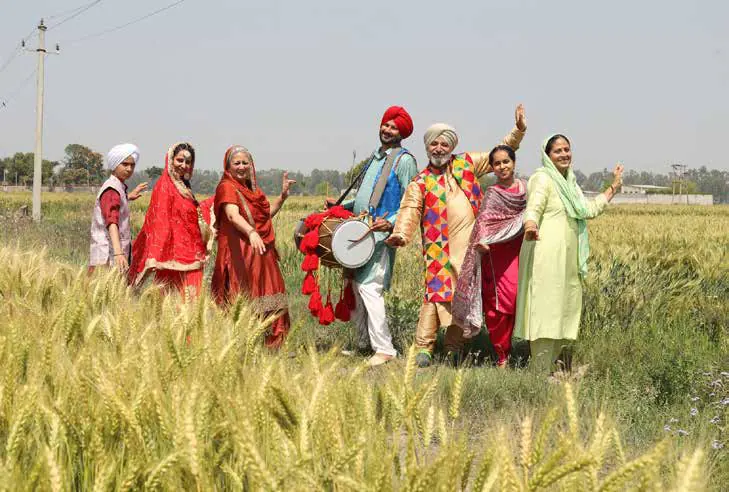
Baisakhi is an agrarian and religious festival for the people of Punjab, holding great significance. It commemorates the harvesting of rabi crops and the creation of the Khalsa by Guru Gobind Singh in 1699. On Baisakhi, people visit their local gurudwaras to pray, followed by kirtans. Bhangra, gidda and regional fairs are some other activities that celebrate the spirit of Baisakhi.
In Assam, during the same period, it is celebrated as Rongali Bihu, marking the commencement of the Assamese New Year, along with the arrival of spring. Coming to Kerala, the festival of Vishu heralds the beginning of the new year. The ritualistic aspect of the festival is known as Vishu Kani, where people look at an arrangement of auspicious things at the break of dawn, which is supposed to ensure prosperity. In West Bengal, Poila Boishakh is celebrated with people decorating their homes with alpona and engaging in various cultural activities.
While the customs and names of the festivals vary from region to region, they are similar in their underlying themes, expression of gratitude for nature’s bounty, happiness associated with communal celebrations, and aspirations for a prosperous year. These festivals, therefore, not only showcase the diversity of Indian culture, they also celebrate the common heritage of Indian agriculture and tradition