My TownJaipur
My Town
In our series, we travel to various Indian destinations with a SpiceJet family member. This time, Deepesh takes us around his home town, Jaipur.
Where is your home town, and what makes it so special?
To the world, my home town of Jaipur is a living museum of majestic forts, blushing pink facades, and a regal history that spans centuries. But if you look past the grand architecture, you will discover its truest treasure: its soul. Whether you are a traveller from across the oceans or a next-door neighbour, the community accepts you with a sense of belonging so deep that you arrive as a stranger, but leave as family.
The one thing that keeps on bringing you back again and again…
The unmatched warmth of its people. Here, royalty is measured by the size of our hearts. No matter how far you travel across the globe, returning to Jaipur feels like stepping into a universal embrace. That feeling of belonging, deep respect, and unconditional care is the invisible thread that always pulls me back home.
Which is the perfect hangout spot in Jaipur?
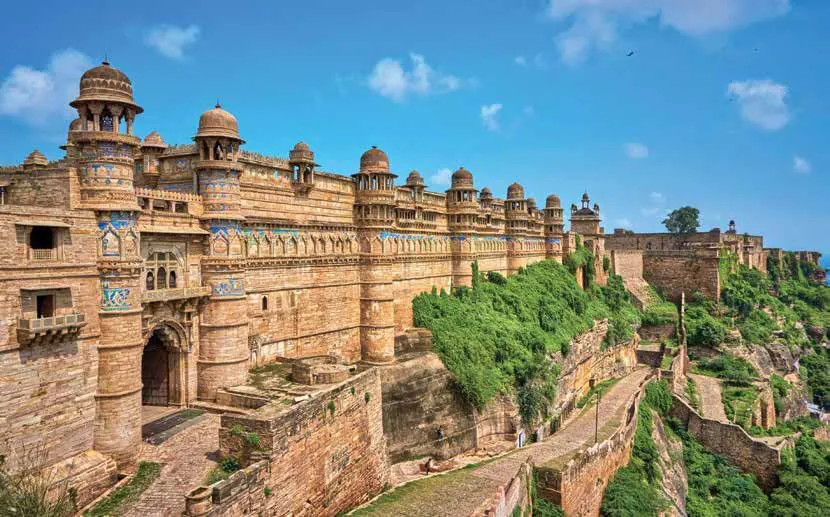
Nahargarh Fort, which stands guard above the city. By day, it is a magnificent testament to regal architecture, but by evening, it transforms into the ultimate global hangout spot. As dusk approaches, travellers and locals alike gather along the ancient fort’s stone ramparts to watch the sunset, which, from this elevation, is nothing short of a spiritual experience. The sky becomes a canvas, turning from fiery amber to dusty violet, and casting a golden glow over the cityscape below.
Name one restaurant you would recommend to a visitor, and a can’t-miss delicacy on the menu…
A meal in Padao inside the Nahargarh Fort complex is one to experience, as you pair your morning chai (or chilled beverage) with a plate of crispy (and piping hot) vegetable pakodas, amid surroundings that are as dramatically scenic as they are serene. For something more contemporary, Paro India, located on MI Road – the beating heart of modern Jaipur – stays true to the city’s reputation of hospitality. Here, the absolute showstopper is the signature Dal Makhani Kebabs, which goes superbly with their innovative, spice-forward craft cocktails.
What is the best season to visit Jaipur and why?
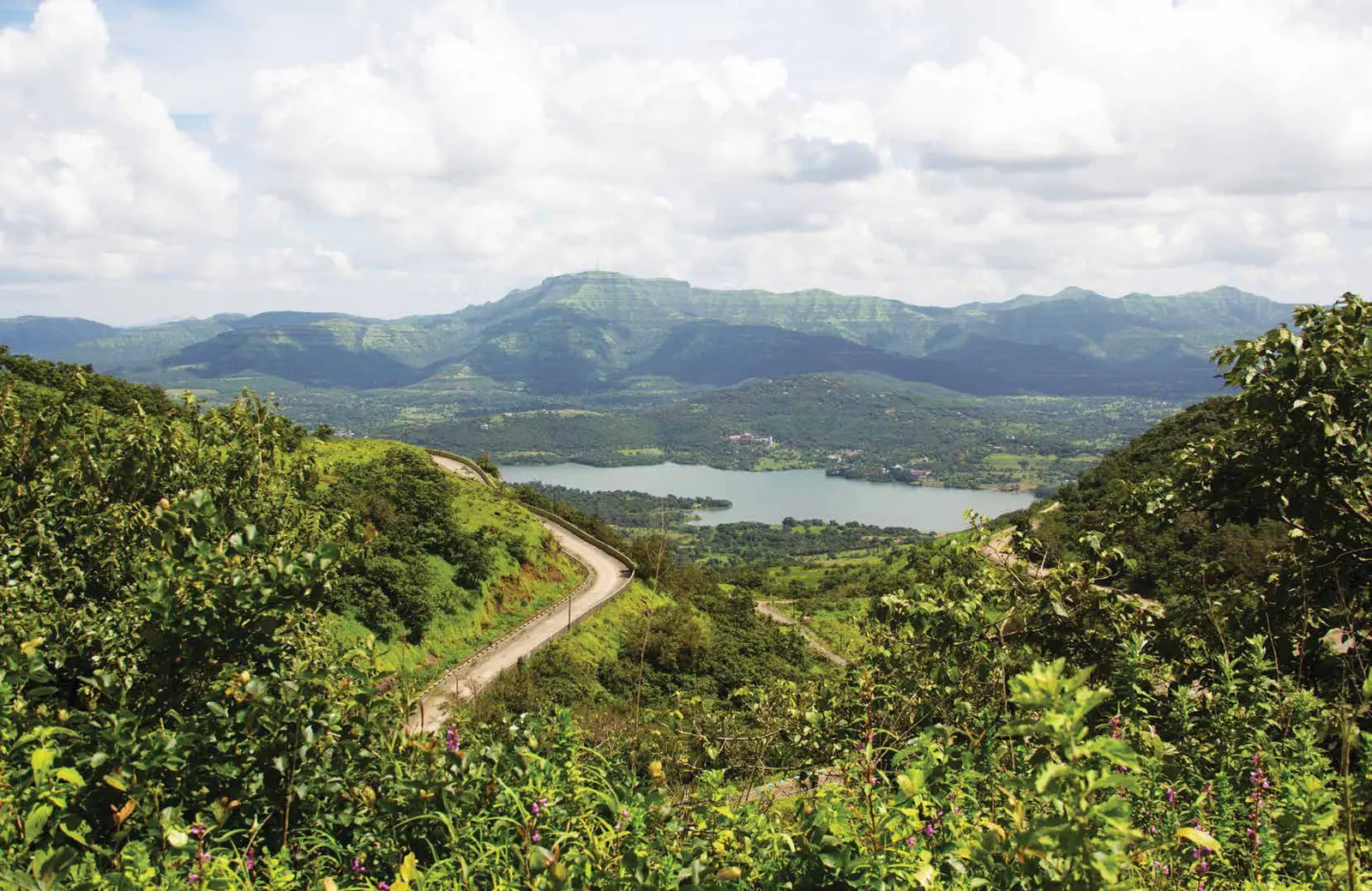
Jaipur’s most breathtaking avatar awakens during the monsoon season, between July and September, when the pink terracotta of the Old City gleams anew with a deep, crimson glow. As the first rains hit the parched earth, the ancient, rugged slopes of the Aravalli hills turn a lush green, and the heavy, rain-washed clouds hang low over the battlements of Nahargarh, wrapping the fort in a dreamy, mist-laden embrace.
Suggest a few places for a day trip nearby…
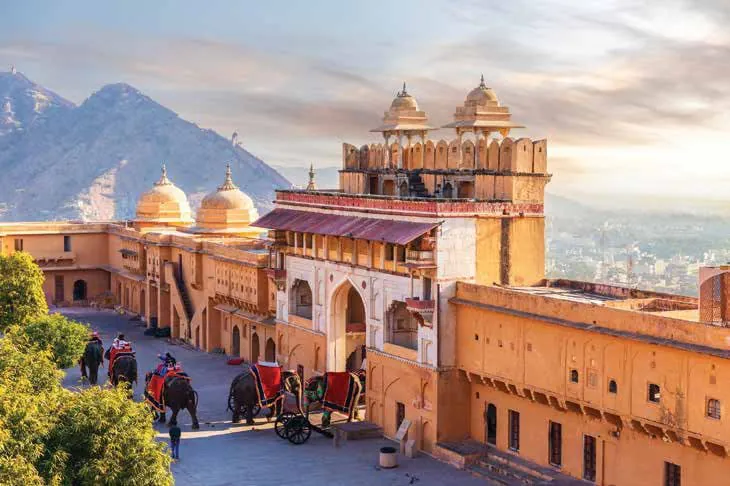
To feel the historical pulse of Rajasthan, you must scale the craggy cliffs of the Aravalli range and explore Jaipur’s ‘imperial triad’ – her three hilltop citadels. Amer Fort is famous for the Sheesh Mahal (mirror palace), where thousands of tiny convex mirrors replicate a shimmering night sky, while Nahargarh is the ultimate sunset sanctuary. And unconquered Jaigarh, a military stronghold, is connected to Amer via hidden royal tunnels, and hosts the world’s largest cannon on wheels
Must-visit places
- Hawa Mahal: To behold the sun’s rays striking its pink facade; explore its narrow passageways to observe how the 953 jharokhas cross-ventilate the building.
- Jantar Mantar: A UNESCO World Heritage Site that’s home to the world’s largest stone sundial, and a showcase of astronomical instruments built by Maharaja Sawai Jai Singh II.
- Albert Hall Museum: Set amid verdant Ramniwas Bagh, this is a spectacular example of Indo-Saracenic architecture within which you will find a vast collection of colonial-era artifacts, traditional pottery, royal costumes – and a preserved Egyptian mummy.
- Bapu Bazar: As dusk falls, head to the lively Bapu Bazar to pick up traditional camel-leather juttis, vibrant block-printed bedsheets, lacquer bangles, or local bandhani textiles.
- Old City Culinary Tour: No Jaipur tour is complete without visiting the alleys of the Old City to savour the delicious street food. Bite into a flaky Pyaaz Kachori at Rawat Misthan Bhandar, sip a velvety Makkhaniya Lassi (served in traditional clay cups) at Lassiwala, and finish your culinary journey with a rich, slow-reduced Saffron Kulfi at Pandit Kulfi, in the shadow of Hawa Mahal.
OUR RED HOT ROUTES
AMRITSAR (ATQ) AHMEDABAD (AMD) BANGKOK (BKK) BENGALURU (BLR) BAGDOGRA (IXB) CHENNAI (MAA) DARBHANGA (DBR) DELHI (DEL) DHARAMSHALA (DHM) DUBAI (DXB) FUJAIRAH (FJR) GUWAHATI (GAU) GOA (GOX) GORAKHPUR (GOP) HYDERABAD (HYD) JAIPUR (JAI) JAMMU (IXJ) KOZHIKODE (CCJ) KOLKATA (CCU) KOCHI (COK) KANDLA (IXY) LEH (IXL) MUMBAI (BOM) MADURAI (IXM) PHUKET (HKT) PORT BLAIR (IXZ) PORBANDAR (PBD) PATNA (PAT) PUNE (PNQ) SHARJAH (SHJ) SHILLONG (SHL) SHIVAMOGGA (RQY) SRINAGAR (SXR) UDAIPUR (UDR) VARANASI (VNS)
India connects with SpiceJet.
SpiceJet was a pioneer in India’s UDAN scheme, launching regional flights in July 2017 and connecting remote regions like Porbandar, Kandla, Pakyong, Kishangarh, Lilabari, Jharsuguda, Jaisalmer, and Adampur. It also led India’s first seaplane trials, inaugurated by Prime Minister Narendra Modi, reaffirming its commitment to serving unserved and underserved regions.
Flight schedules are subject to regulatory approvals and changes. Map not to scale, graphic representation only. Content as on th June, 2026.